
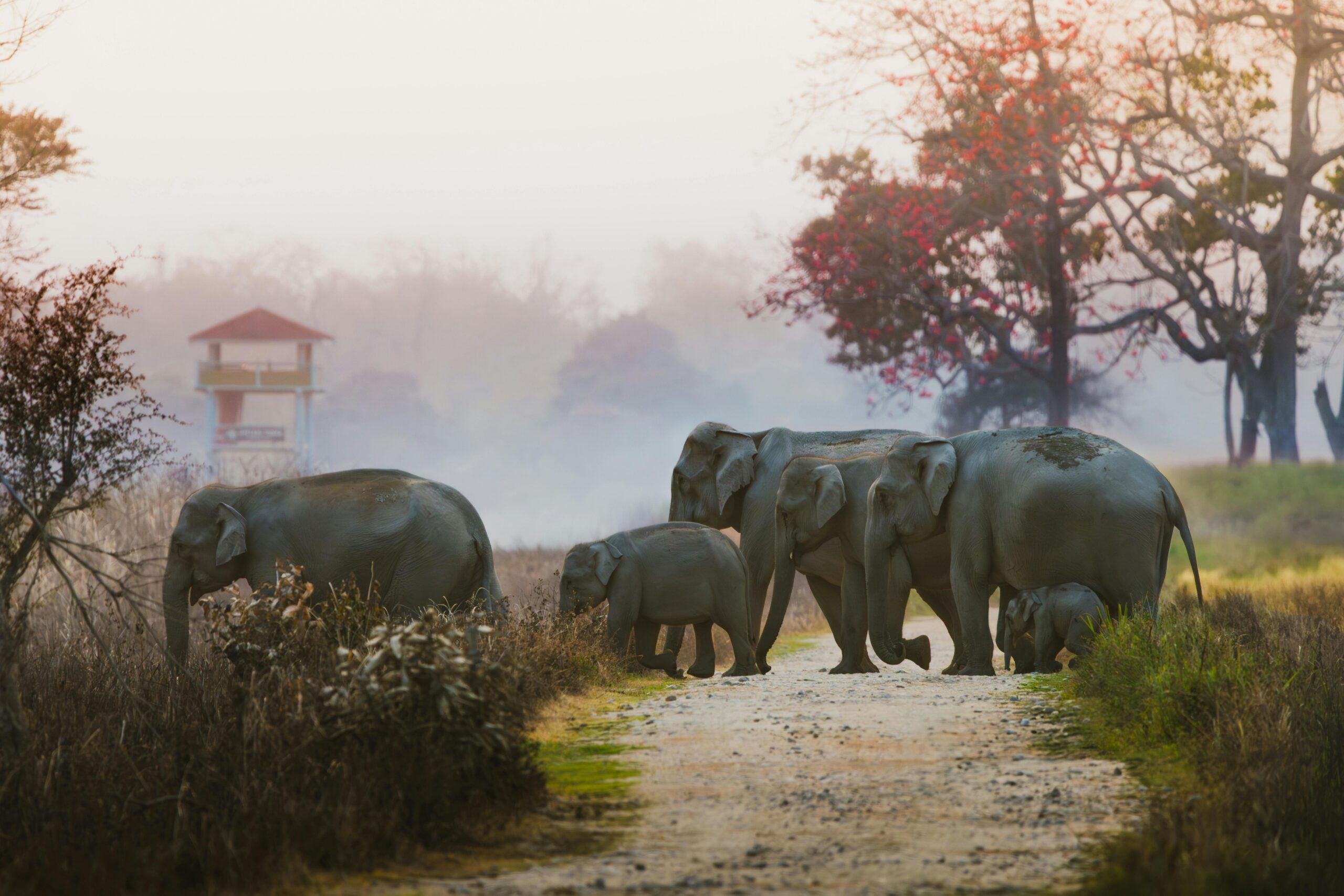

India is fast emerging as one of the world’s most compelling destinations for wildlife and eco tourism. Across its vast landscapes, from dense tiger reserves and rhino-inhabited grasslands to serene river islands and high-altitude wilderness, the country offers a remarkable range of nature-based travel experiences. In recent years, there has been a clear shift among travelers toward more meaningful and responsible journeys that connect them with nature and local conservation efforts. This growing interest has placed India firmly on the global map of eco tourism and wildlife destinations in India, shaping the way modern travel is experienced in 2026 and beyond. This guide explores some of the most significant wildlife and eco tourism destinations across the country.
Wildlife Destinations in India 2026
The Royal Bengal Frontier: Bandhavgarh National Park
Bandhavgarh National Park is a top choice for anyone seeking the majestic Royal Bengal Tiger. This park sits in the Vindhya Hills and offers a perfect mix of history and nature. It is famous because it has a very high density of tigers. Visitors love the thick forests and the ancient fort that overlooks the valley. This stunning landscape feels like a scene from a classic adventure story. Therefore, it remains one of the best Eco tourism and wildlife destinations in India
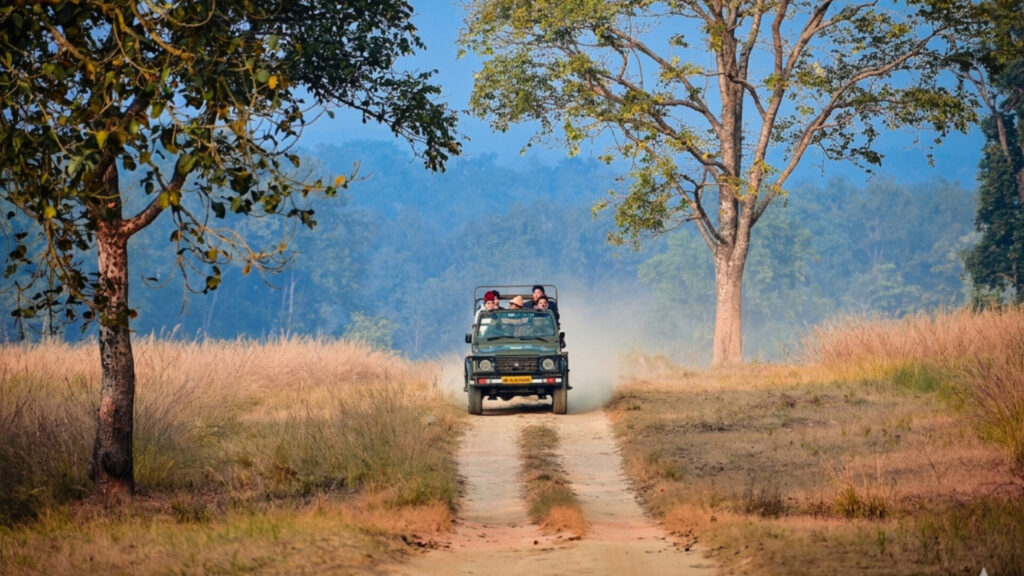
A Bandhavgarh National Park safari in 2026 focuses on quiet, expert tracking and small groups. You will feel a sudden thrill when a predator finally steps out from the tall grass. Furthermore, the park is home to leopards and sloth bears that hide in the rocky terrain. Visiting this park helps fund local programs that protect these animals in a changing world. The mix of royal history and wild sightings makes it an essential stop for nature lovers.Similar tiger safari experiences can also be explored through new access points like Lohara Gate in Tadoba-Andhari Tiger Reserve.
Traveler’s Note: Plan your visit between October and June when the weather is ideal for sightings. You can reach the park via Jabalpur Airport or Umaria railway station, which is just 45 minutes away. Well-maintained roads also connect the park to major cities like Katni and Rewa.
- For a complete breakdown of costs, zones, and booking tips, check out our Detailed Guide to Bandhavgarh National Park Safari 2026.”
The Legacy of Conservation: Jim Corbett National Park
Jim Corbett National Park is the oldest and most famous wildlife sanctuary in the country. It sits at the base of the Himalayas and features beautiful rivers and open meadows. It is the birthplace of Project Tiger and offers several exciting safari zones for guests. Specifically, the Dhikala and Bijrani zones remain the top spots for watching wild tigers this year. Additionally, the park supports a large population of wild elephants near the Ramganga River.
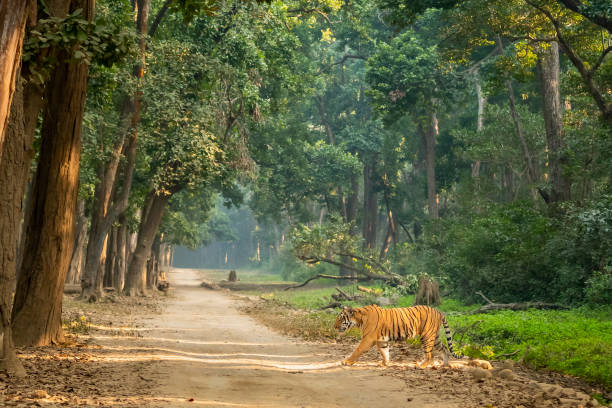
Your Jim Corbett National Park travel plans should include a stay in a historic forest lodge. You will wake up to the sounds of the jungle and see mist over the hills. This park offers a sense of history that newer reserves simply cannot match. It is a perfect choice for those who value the long history of national parks in India. By visiting, you immerse yourself in a landscape that has inspired nature experts for many decades.
Traveler’s Note: The best time to explore the core zones is from mid-November to June. Ramnagar is the nearest railway station and serves as the main gateway for road travelers from Delhi. For those flying, Pantnagar Airport is the closest domestic terminal to the park.
The Land of Giants: Kaziranga National Park
Kaziranga National Park is a protected site that sits along the mighty Brahmaputra River. It is famous worldwide as the last major home of the Great One-Horned Rhinoceros. In 2026, the park celebrates ten years of successful protection and a growing rhino population. The area is a vast sea of tall grass and wetlands that looks like a prehistoric world. Kaziranga National Park wildlife also includes wild water buffalo and many colorful bird species.
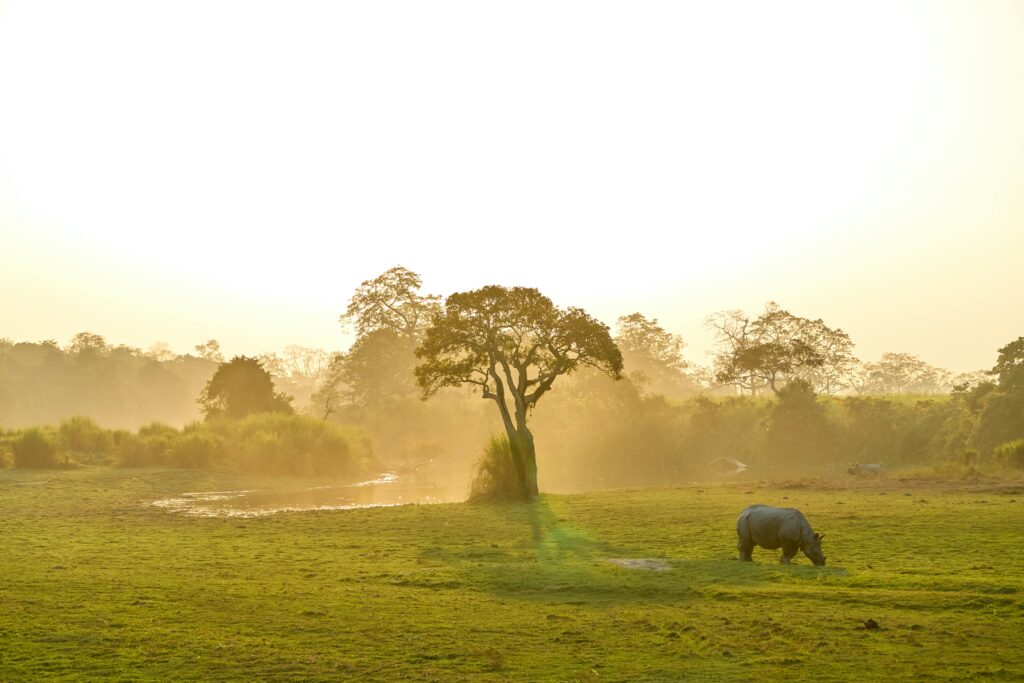
A safari here feels like a journey back to a much wilder era of our planet. You can explore the different ranges by jeep or take a relaxing boat cruise. Sightings are very common because the animals often graze in open areas with great light. Kaziranga proves that hard work and dedication can save a species from disappearing forever. It is a vital stop for anyone who wants to see the unique biodiversity in India.India is also expanding wildlife tourism with new initiatives such as the upcoming Cheetah safari in Kuno National Park.
Traveler’s Note: Visit during the dry winter months from November to April for the best rhino sightings. The park is easily accessible from Jorhat or Guwahati airports via the National Highway. Furkating is the nearest major railway station for travelers arriving by train.
The Lion’s Sanctuary: Gir National Park
Gir National Park in Gujarat is the only place on Earth where you can find Asiatic lions. These beautiful animals were once nearly gone, but they have made a great recovery here. The park is well-known for how local tribes and lions live together in peace. By 2026, the population has grown and spread beyond the park borders. To see Gir National Park lions is to witness one of the greatest success stories in wildlife tourism India.
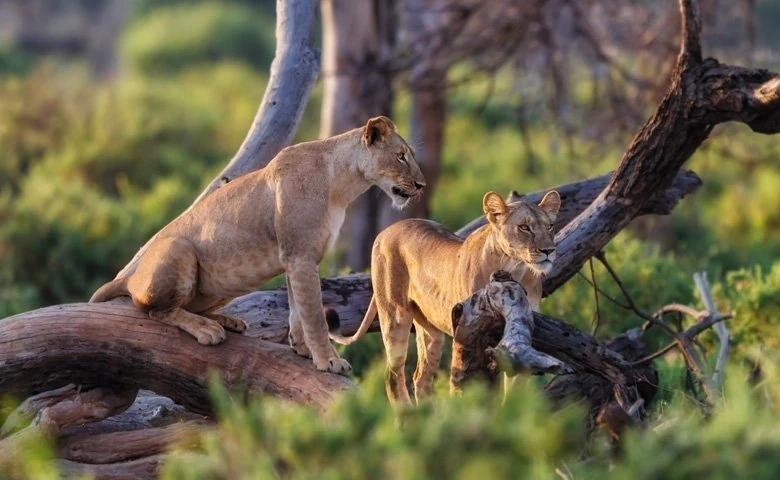
The experience at Gir is different from tiger parks because lions often live in social groups. You can see prides resting under the shade of trees during the warm afternoons. The open scrubland makes it easy to spot animals, so you will likely get great photos. Besides lions, the park is a fantastic place to see leopards and many different types of deer. It is a key destination for understanding the variety of wildlife travel destinations in India.
Traveler’s Note: The peak visiting season runs from December to March to avoid the summer heat. Rajkot Airport and Junagadh railway station provide the most convenient transit points for visitors. Excellent road networks link the sanctuary to the coastal hub of Veraval.
Eco Tourism Destinations in India 2026
Tropical Biodiversity: Periyar Tiger Reserve
Periyar Tiger Reserve is a green jewel located in the mountains of Kerala. Unlike the dry forests of the north, this is a tropical paradise with a large lake. It is famous for its water-based safaris where you watch animals from a quiet boat. This year, the reserve uses new technology to track wildlife and protect the forest. Periyar Tiger Reserve eco tourism is a leader in showing how people can help nature thrive.
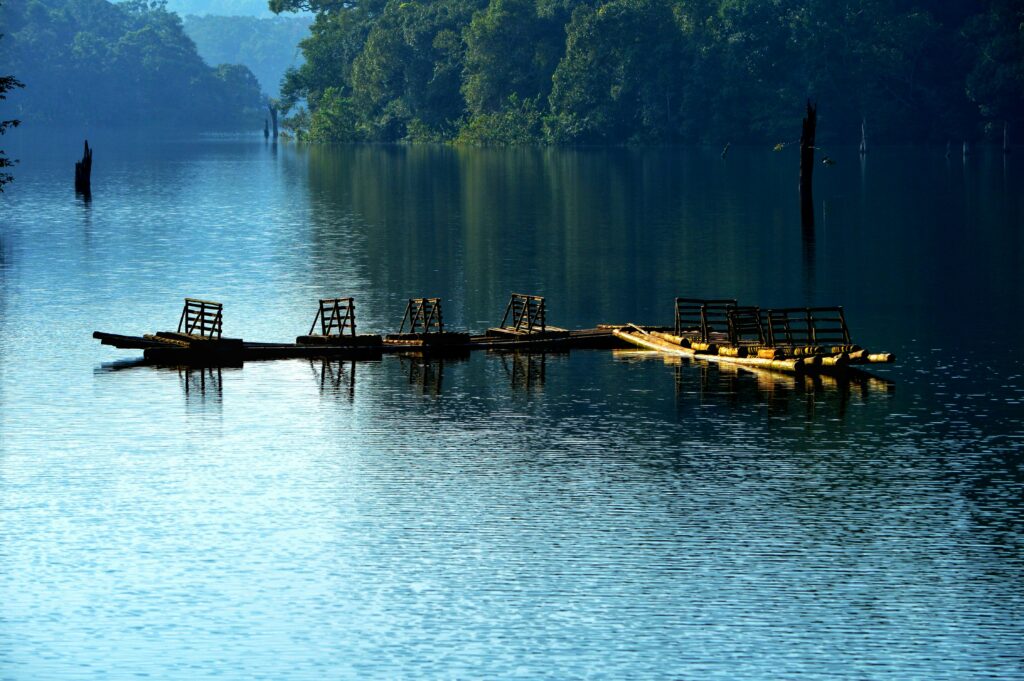
The experience here is defined by deep green colors and the sounds of the rainforest. You can join guided walks or try bamboo rafting with local guides who know the woods well. This involvement of the local community adds a lot of meaning to your trip. It is one of the few places where you can safely explore a tiger reserve on foot. Visit Periyar to see how sustainable travel destinations in India fund the repair of nature.Kerala’s eco tourism network also includes protected areas like Eravikulam National Park, known for its mountain biodiversity.
Traveler’s Note: The months of September to March offer the most pleasant weather for boat safaris. Madurai and Kochi are the nearest airports, while Kottayam provides the closest rail connectivity. Frequent bus services run from Kumily to all major South Indian cities.
Celestial Silence: Hanle Dark Sky Reserve
Hanle is located in the high Ladakh region and is the first dark sky reserve in India. It sits very high up, which means the air is thin and the stars are bright. This place is famous for having some of the darkest skies in the entire world. Photographers travel here to capture the Milky Way in incredible detail against the black sky. Hanle Dark Sky Reserve stargazing is part of a new trend in eco tourism places in India.
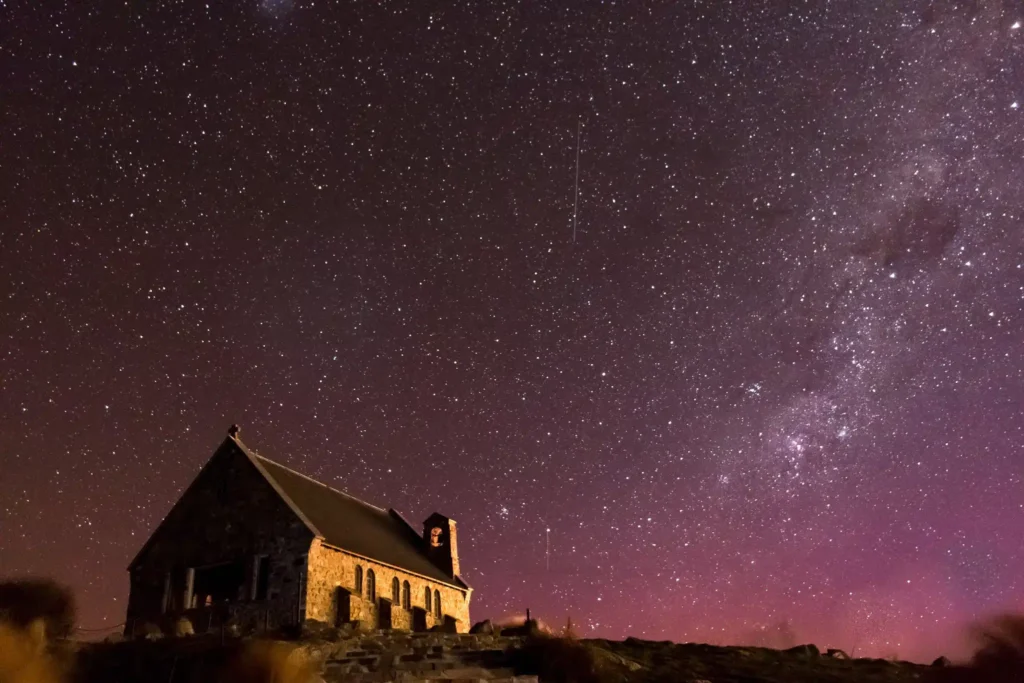
The night at Hanle is incredibly quiet and makes you feel very small under the stars. You can use professional telescopes or just look up at the crowded sky with your own eyes. Local people work as guides and share stories about the stars from their own culture. This is the perfect spot for travelers who want to escape city lights and busy lives. It is a rare chance to see the night sky exactly as our ancestors did.
Traveler’s Note: Summer months from June to September provide the clearest nights and safer road access. Travelers must fly into Leh Kushok Bakula Rimpochee Airport and then drive for roughly ten hours. Due to the high altitude, ensure you allow two days in Leh for proper acclimatization.
Where the River is the Soul: Majuli Island, Assam
There is a quiet corner in everyone that loves nature, but if you are someone who truly adores the wild, Majuli will steal your heart. Located in Assam, Majuli holds the distinction of being the world’s largest inhabited river island. It is often called the cultural capital of Assam, where the island’s rich heritage is preserved through Satras—vibrant centers for traditional arts, literature, dance, and drama. While it offers breathtaking views, this beautiful island is also a fragile treasure, with its land gradually shrinking due to river erosion.
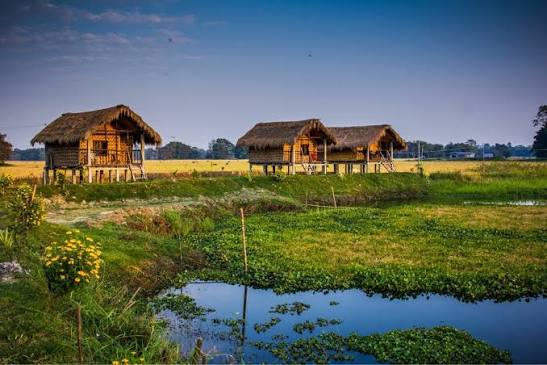
As the World’s Largest River Island Majuli in Assam, the focus on eco tourism in Majuli Assam goes far beyond traditional sightseeing; it is a vital mission to protect the environment. Here, you can witness rare bird species and immerse yourself in an authentic tribal culture that has remained unchanged for centuries. Majuli stands as one of the finest examples of Eco tourism and wildlife destinations in India
Exploring the island on a bicycle and visiting the Satras provides experiences that go much deeper than mere visuals. Because the Brahmaputra River overflows during the rains, the local houses are uniquely built on bamboo stilts to withstand the floods. Staying in these bamboo cottages offers a rare sense of harmony with nature. With the rhythmic flow of the river and the melodies of distant birds as your only companions, your soul feels complete. For any traveler who wishes to preserve the earth for future generations, Majuli is a true inspiration.
Traveler’s Note: Due to the risk of flooding, the monsoon season is not suitable for visiting Majuli. The best time to visit is from October to April. The island is accessible only by ferry from Jorhat, and modern ferries now accommodate vehicles as well.
Which destination is best for you?
Choosing the right destination depends on the kind of travel experience you are looking for. If your focus is wildlife encounters, Bandhavgarh National Park and Kaziranga National Park are excellent choices for tiger and rhino sightings. For travelers who prefer a mix of comfort and nature, Periyar Tiger Reserve offers a peaceful eco tourism experience in Kerala’s lush landscapes. If you are interested in cultural and river-based nature travel, Majuli Island in Assam provides a unique blend of heritage and environment. For those seeking something truly extraordinary, Hanle in Ladakh offers one of the clearest stargazing experiences in India.
Safari Essentials.
For a better wildlife safari experience, carry a few basic items that make your trip more comfortable and enjoyable. BINOCULARS are highly useful for spotting wildlife from a distance, while a lightweight BACKPACK helps carry essentials like water, snacks, and camera gear. A good camera or zoom lens is also recommended for capturing wildlife moments. Don’t forget basics like sunscreen, sunglasses, and a reusable water bottle for outdoor conditions.
Plan your safari with the right essentials. Check current prices on Amazon before your trip
Future Travels: Embracing the Wild with Greater Responsibility
India’s wildlife and eco tourism destinations offer some of the most diverse and meaningful travel experiences in the world. From tiger safaris in Bandhavgarh and Kaziranga to the serene landscapes of Periyar, Majuli, and the high-altitude beauty of Hanle, each destination reflects a unique side of the country’s natural heritage.
As travelers move toward more responsible and experience-driven journeys, these places highlight the importance of preserving nature while exploring it. Whether you are planning your first wildlife safari or a peaceful eco retreat, India offers something truly unforgettable for every kind of traveler. Before planning your trip, make sure you are well-prepared with the right essentials to make your journey safe and enjoyable.





[…] Finding a tiger in the wild usually requires great luck. At Bandhavgarh, the odds shift in your favor. This park is smaller than most Indian reserves. However, it packs a powerful punch with its high predator density. The land once served as a private hunting ground for kings. Now, it serves as a sanctuary for the Royal Bengal Tiger. This is a key highlight of our broader look at Eco Tourism & Wildlife Travel Destinations in India 2026 […]
[…] travelers who want to go deeper into planning their wildlife experience, exploring broader Eco Tourism & Eildlife destinations in India can help compare different parks and safari […]
[…] for eco-tourism and astro-tourism. If you enjoy nature-based travel experiences, read our complete guide to Eco Tourism & Wildlife Travel Destinations in India for more unique places to […]