

South India is home to some of the most beautiful destinations for travelers looking for cool weather, lush landscapes, scenic mountain views, and peaceful getaways. From misty hill stations and tea plantations to coffee estates, waterfalls, and green valleys, the region offers plenty of options for a refreshing break from busy city life. The best places to visit in South India for cool weather include destinations across Kerala, Karnataka, Tamil Nadu, and Andhra Pradesh, each offering its own unique combination of nature, pleasant climate, and memorable experiences.
Munnar and Wayanad are known for their rolling hills, tea plantations, and peaceful surroundings, while Coorg and Sakleshpur offer scenic coffee estates, forested landscapes, and beautiful drives through the Western Ghats. Valparai and Kodaikanal are ideal for travelers seeking cooler mountain weather, while Araku Valley and Horsley Hills provide relaxed escapes surrounded by hills and greenery. This guide brings together some of the best destinations in South India to help travelers choose a getaway based on weather, scenery, travel style, and overall experience—whether planning a family holiday, a weekend trip, or a peaceful solo escape.
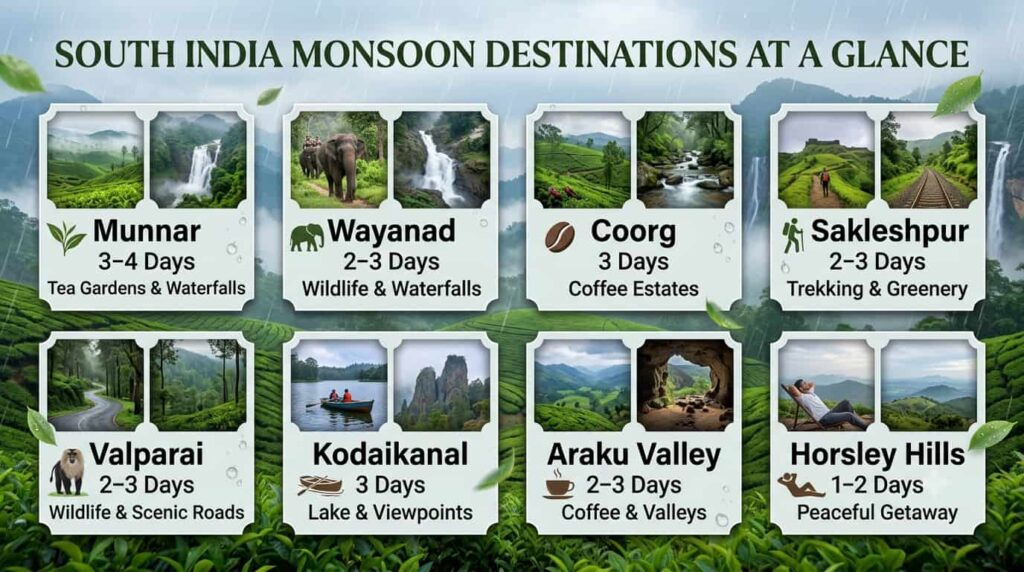
Destinations at a Glance (2026)
- Munnar, Kerala:Best for nature lovers, couples and families. Spend 3–4 days exploring tea gardens, waterfalls and misty viewpoints. Budget: ₹1,500–₹5,000/day.
- Wayanad, Kerala : Perfect for wildlife enthusiasts and families. Enjoy forests, caves and waterfalls on a 2–3 day trip. Budget: ₹1,500–₹4,500/day.
- Coorg, Karnataka : Known for coffee estates and scenic landscapes. A 3-day trip is ideal to explore plantations, waterfalls and viewpoints. Budget: ₹1,500–₹5,000/day.
- Sakleshpur, Karnataka : A budget-friendly hill destination with trekking trails and greenery. Ideal for 2–3 days. Budget: ₹1,200–₹4,000/day.
- Valparai, Tamil Nadu : An offbeat destination famous for tea estates, wildlife and scenic drives. Ideal for 2–3 days. Budget: ₹1,500–₹4,500/day.
- Kodaikanal, Tamil Nadu : A hill station suited for couples and families, with lakes, forests and viewpoints. Ideal for 3 days. Budget: ₹1,500–₹5,000/day.
- Araku Valley, Andhra Pradesh : Famous for coffee plantations, valleys and scenic journeys. Best explored in 2–3 days. Budget: ₹1,200–₹4,000/day.
- Horsley Hills, Andhra Pradesh : A peaceful destination for weekend trips and road journeys. Spend 1–2 days enjoying viewpoints and nature. Budget: ₹1,200–₹4,000/day.
You can also plan to witness the Malabar River Festival 2026, Asia’s largest kayaking festival held in Kerala. This is a must-visit for anyone who loves monsoon rides.
Munnar: Misty mountain Escape
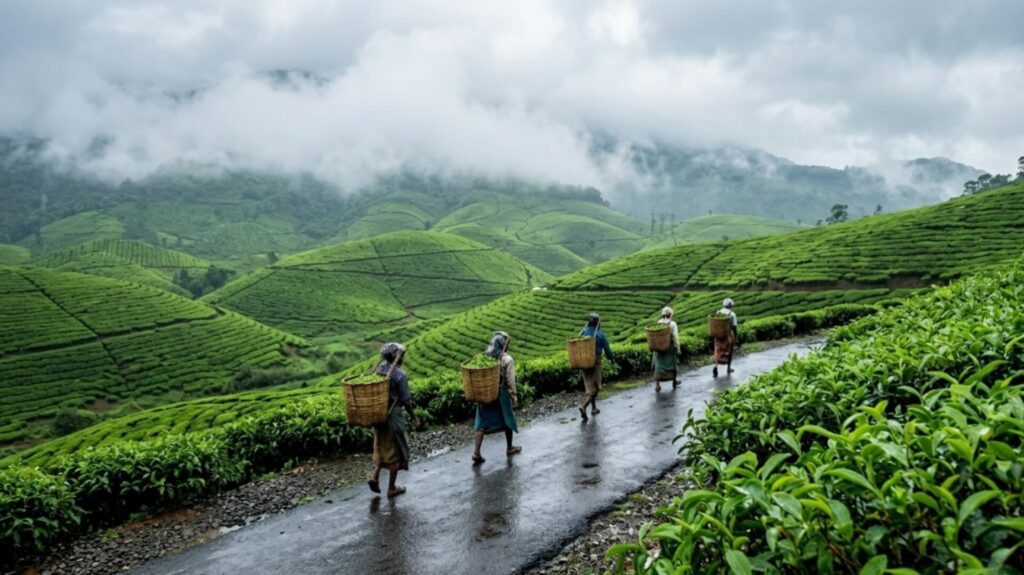
It is one of the best places to visit in South India in June, especially for those looking for cool weather and lush greenery. Located in Kerala’s Western Ghats, the hill station transforms during the monsoon as tea plantations turn vibrant green, mist drifts across valleys, and waterfalls come alive. Compared to peak season, June offers a quieter and more peaceful experience, making it ideal for slow travel and nature lovers.
Weather in Munnar
Munnar has cool and misty weather almost all the time of a year.
- 🌤️ Day Temperature: 20°C – 24°C
- 🌙 Night Temperature: 16°C – 19°C
Frequent rain and foggy conditions make the landscape fresh, green, and highly scenic.
How to Reach Munnar
Munnar is well connected by road, with buses available from Kochi, Bangalore, and Chennai.
- ✈️ Nearest Airport: Cochin International Airport (110 km, 4–5 hrs)
- 🚆 Nearest Railway Station: Aluva / Ernakulam.
Taxis and KSRTC buses are easily available for local travel.If you are planning a budget-friendly journey to Munnar, you can also check KSRTC Tour Packages to Munnar, which offer planned trips from different KSRTC depots across Kerala.
What to See & Things to Do in Munnar.
Munnar is not just about tea plantations—it’s an experience that changes with the weather. During June, the mist, rain, and greenery create a completely different atmosphere.
Walking through tea estates early in the morning, when clouds sit low over the hills, is one of the most peaceful experiences here. Viewpoints like Top Station, Pothamedu, and Meesapulimala offer breathtaking valley views, often covered in moving clouds. The monsoon also brings waterfalls like Attukal and Lakkam to life, making them powerful and visually stunning.
For those interested in nature and wildlife, Eravikulam National Park and Pampadum Shola provide a chance to explore forest landscapes and spot rare species. If you enjoy light adventure, trekking trails, sunrise at Kolukkumalai, and off-road drives through misty routes add excitement to the trip.
At the same time, Munnar is perfect for slow travelers—whether it’s enjoying tea tasting sessions, relaxing in scenic resorts, or simply watching the rain over the hills. The beauty of Munnar lies in experiencing it at your own pace.
How to Explore Munnar.
Exploring Munnar depends on your travel style. Solo travelers and couples often prefer renting two-wheelers for flexibility to explore viewpoints and scenic routes. Families usually opt for taxis for comfort. Since self-drive rentals are limited, it’s better to plan transport in advance.

Must Carry Items for Munnar Trip.
- Raincoat or umbrella
- Waterproof footwear
- Light woollen clothes
- Power bank
- Basic medicines
Solo Travel Guide to Munnar.
Munnar is a safe and beginner-friendly destination for solo travelers. Budget hostels and homestays are available, making it affordable. Renting a bike or scooter is one of the best ways to explore the region.
It is ideal for slow-paced trips, trekking, and nature walks, with options like tent camping and forest stays for a more adventurous experience.
Munnar Travel Budget.
- 🧳 Budget (₹2500 – ₹4000): Homestays, basic travel, local food
- 🏨 Mid-range (₹5000 – ₹8000): Comfortable hotels, private transport
- 🌟 Luxury (₹10,000+): Premium resorts, scenic stays, experiences
Planning in groups or choosing homestays can significantly reduce overall expenses.

Days Required to Explore Munnar.
Munnar is not a destination that can be fully experienced in a rushed itinerary. While a 2 to 3-day trip is enough to cover the major attractions, a 4 to 5-day stay allows travelers to explore more deeply and enjoy the destination at a relaxed pace.
Must-Try Experiences in Munnar
Visit Eravikulam National Park
Sunrise at Kolukkumalai
Walk through misty tea plantations
Visit Lakkam waterfalls during monsoon
Try local tea and spice-based ice creams
Nearby Tourist Places
Thekkady – 90 km, Alappuzha – 170 km, Kochi – 110 km, Kodaikanal – 160 km.
Munnar is one of the best monsoon destinations in South India, offering cool weather, misty hills, and lush greenery. It is perfect for solo travelers, couples, and families looking for a peaceful and scenic getaway in June.
Wayanad: Green Forest Escape in Kerala
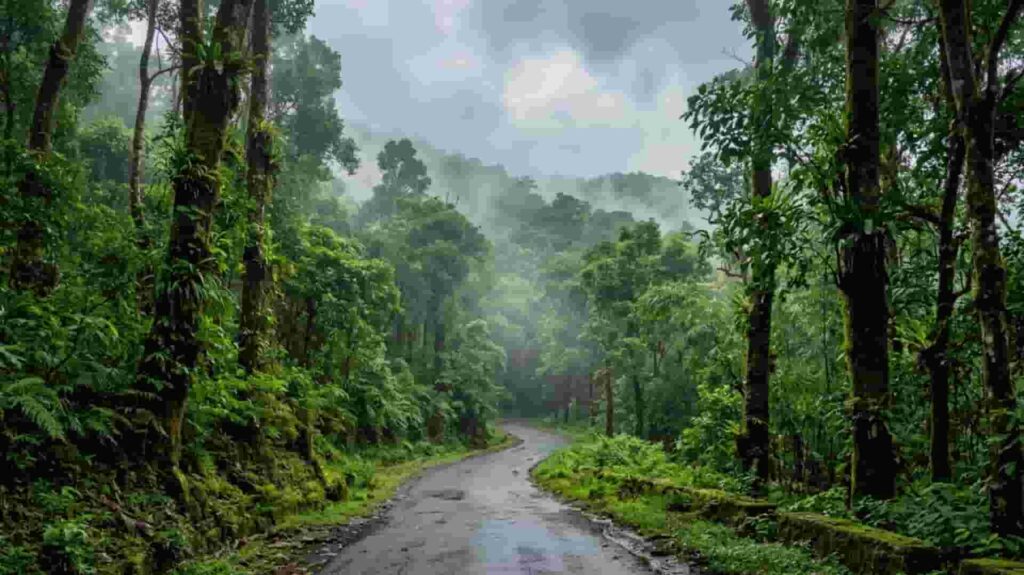
Wayanad is one of the best places to visit in South India in June for anyone who wants to see Kerala at its most natural. In the monsoon season, the hills stay covered in mist, the forests turn deep green, and the roads often pass through light rain and fog that changes every few minutes.
Unlike busy tourist spots, Wayanad in June feels slower. You notice waterfalls flowing beside the roads, small tea shops in the rain, and long stretches of forest where everything is quiet except the sound of rain. It’s a place where you don’t really rush from one attraction to another—you just move through the landscape and experience it as it comes.
Weather in Wayanad
Wayanad receives moderate to heavy monsoon rainfall in June, which makes the entire region greener and more scenic. The hills stay covered in mist for most of the day, and short rain showers are very common.
🌤️ Day Temperature: 22°C – 26°C
🌙 Night Temperature: 18°C – 21°C
🌿 Climate: Cool, humid, and rainy throughout the month.
Frequent showers keep the forests fresh and waterfalls active, making June one of the most beautiful times to experience Wayanad.
How to Reach Wayanad
Wayanad does not have its own airport or railway station, so it is mainly accessed by road from nearby cities in Kerala and Karnataka.
- ✈️ Nearest Airport: Calicut International Airport (approx. 90 km)
- 🚆 Nearest Railway Station: Kozhikode (Calicut) (approx. 85 km)
📍 Distance from major cities
Kozhikode → 85 km, Mysore → 130 km,.Bangalore → 280 km Kochi → 260 km
From all these cities, taxis and KSRTC/private buses are easily available to reach Wayanad.
What to See & Things to Do in Wayanad
Wayanad in June feels simple, green, and close to nature. The monsoon brings steady rain that changes everything — forests become thicker, roads often disappear into mist, and waterfalls flow stronger than usual. Even a normal drive through the hills feels slow and peaceful because of the weather and the views around. One of the best experiences here is driving through places like Lakkidi Ghat in the early morning. Mist moves across the valleys, and the forest looks fresh after rain. Tea, coffee, and spice plantations also look greener during this time, and even short walks through them feel calm and refreshing.
Waterfalls like Soochipara and Meenmutty are full during June and are surrounded by green forests and small streams. Wildlife is also an important part of Wayanad. Around Wayanad Wildlife Sanctuary, you can sometimes see elephants, deer, and many birds, especially in quieter morning hours when the forest is still.A special cultural experience is visiting Ente Ooru tribal village, where you can learn about the life, traditions, and culture of the tribal communities of Wayanad in a simple and real way.
Wayanad is also a place for slow travel. Staying in homestays, eating local Kerala food during rainy evenings, and waking up to mist outside the window are some of the most peaceful parts of the trip.
How to Explore Wayanad
Wayanad is not a place you rush through. The roads are spread out between hills, forests, and small towns, so the experience feels better when you take it slow. Most travellers usually stay in Kalpetta because it sits in the middle and makes it easy to reach different viewpoints and attractions. From there, Sulthan Bathery is a good direction if you want wildlife spots, caves, and a bit of history, while Mananthavady feels quieter with more waterfalls and village scenery.
Getting around is simple once you are there. Many people prefer hiring a taxi for the day so they don’t have to worry about directions or weather changes. Others go for a scooter when the rain is light, especially if they enjoy stopping often and taking short breaks along the way. The roads cut through forests and plantations, so even a short ride can feel interesting.
If you spend around 2–3 days moving across these three areas, you can cover most of Wayanad without feeling rushed. More than the places themselves, the slow drives, sudden mist, and changing weather become part of the experience.
Must Carry Items for Wayanad Trip
- Raincoat or umbrella
- Waterproof shoes
- Light cotton clothes
- Power bank
- Mosquito repellent
Solo Travel Guide to Wayanad
Wayanad is safe for solo travelers and works well for first-time visitors. You can easily find budget hostels, homestays, and eco-stays across the region. The place suits trekking, nature walks, photography, and quiet time in the hills. Solo travel here feels simple, slow, and close to nature.
Wayanad Travel Budget Guide
- 🧳 Budget (₹2500 – ₹4500): Homestays, local travel, simple food
- 🏨 Mid-range (₹5000 – ₹9000): Hotels, taxi travel, guided tours
- 🌟 Luxury (₹10,000+): Resorts, eco-luxury stays, premium experiences

Days Required to Explore Wayanad.
A 2–3 day trip is enough to explore major attractions in Wayanad. A 4–5 day stay allows deeper exploration of forests and offbeat locations.
Must-Try Experiences in Wayanad
- Trekking in forest trails like Chembra Peak region
- Visiting waterfalls such as Soochipara and Meenmutty during monsoon
- Exploring spice and coffee plantations
- Wildlife safari at Wayanad Wildlife Sanctuary
- Staying in eco-forest homestays
- Visiting Ente Ooru Tribal Heritage Village to understand local tribal culture, lifestyle, and traditions.
Nearby Tourists Places.
- Kozhikode – 85 km
- Ooty – 110 km
- Mysore – 130 km
- Bandipur National Park – 80 km.
Wayanad is one of the best places to visit in South India in June for travelers who enjoy misty hills, waterfalls, forest roads, and cool monsoon weather. The region feels calm and green during this season, making it perfect for slow travel, nature stays, wildlife experiences, and peaceful hill station trips.
Coorg: Coffee Hills Wrapped in Monsoon Mist.
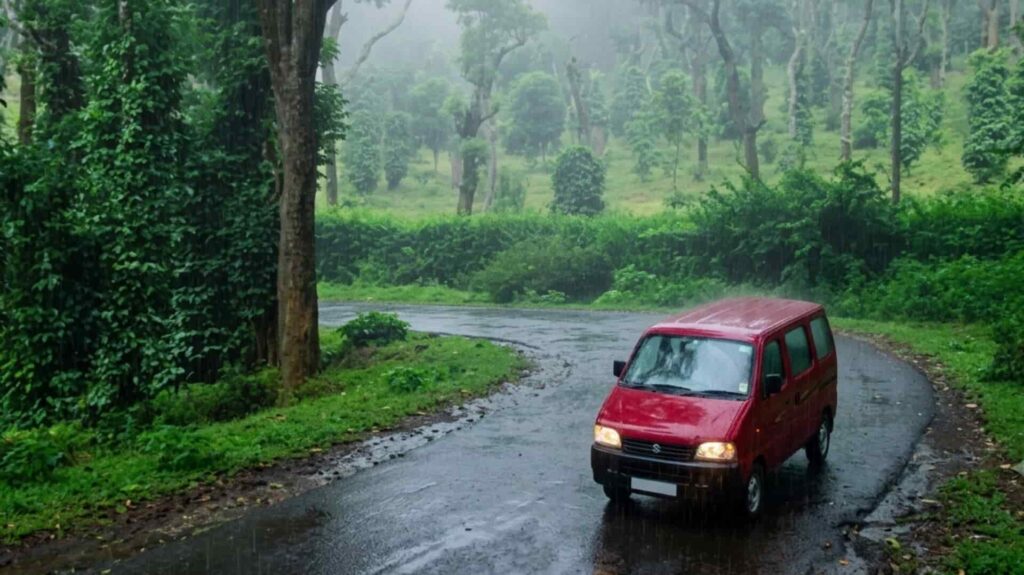
Coorg feels calm and green when the monsoon arrives in June. The hills slowly change with the rain, coffee estates turn brighter, and mist often stays over the valleys for most of the day. Roads pass through plantations, small villages, and forest stretches, making even simple drives feel refreshing and unhurried. Waterfalls start flowing stronger, and viewpoints open up with cloudy skies and soft rain in the background. Some travelers explore places actively, while others prefer to slow down and just enjoy the weather from a homestay or café. The whole place moves at a relaxed pace during this season, which makes the experience more memorable. It stands out as one of the best places to visit in South India in June.
Yes. The previous version reads like a standard travel guide. A more human version would sound like someone who has actually experienced Coorg in June.
Weather in Coorg in June
June brings the first proper monsoon rains to Coorg. The weather stays cool for most of the day, and mist often appears without warning, especially in the mornings and evenings. Rain showers can arrive at any time, but they are part of what makes the region so beautiful during this season. The coffee estates look greener, the air feels fresh, and even short drives become more enjoyable after a spell of rain.
🌤️ Day Temperature: 20°C – 24°C
🌙 Night Temperature: 16°C – 19°C
🌿 Climate: Cool, rainy, and misty
If you enjoy cloudy skies, light rain, and pleasant temperatures, June is one of the most rewarding times to visit Coorg.
How to Reach Coorg
Getting to Coorg is fairly straightforward, and the journey is often as enjoyable as the destination itself. Since Coorg does not have its own airport or railway station, most travelers arrive by road after reaching a nearby city. Mysore is the closest railhead, while Kannur and Mangalore are the nearest airports. The drive into Coorg passes through winding roads, forests, small towns, and coffee-growing regions, especially beautiful during the monsoon. Coorg is around 120 km from Mysore, 265 km from Bangalore, 140 km from Mangalore, and can also be reached comfortably from Kozhikode and Kochi for travelers coming from Kerala.
✈️ Nearest Airports: Kannur (95 km) & Mangalore (140 km)
🚆 Nearest Railway Station: Mysore Junction (120 km)
What to See & Things to Do in Coorg.
Coorg is one of the best places to visit in South India in June, offering a slower and more relaxed travel experience compared to many hill stations in the region. Life here is closely connected to coffee estates and plantation stays, where many travelers begin their day with fresh local coffee and a calm view of the hills. The region also reflects Kodava culture, which gives Coorg a distinct identity beyond its natural landscapes.
Around Madikeri, Raja’s Seat offers simple sunset views, while Madikeri Fort gives a small glimpse into the region’s history. Abbey Falls becomes more powerful during the monsoon, attracting visitors who enjoy short scenic stops. Mandalpatti is another highlight, known for its wide valley views where clouds move quickly across the hills. Plantation roads and estate walks are common here, giving travelers a close look at coffee cultivation and everyday life in the region.
Coorg is also known for its resort and homestay experience. Many stays are located inside coffee estates, away from town noise. For many travelers, this becomes the most memorable part of the trip. Sitting on a veranda during rainfall, watching mist move across the hills, or simply enjoying a quiet cup of coffee often feels more meaningful than sightseeing itself. This slower rhythm is what makes Coorg different.
For those who enjoy a bit of activity, the Dubare Elephant Camp offers wildlife interaction, while the forest trails around Tadiandamol attract trekkers and nature lovers.
How to Explore Coorg.
Exploring Coorg is best when you slow down and move around at an easy pace. Most travelers prefer to explore the region by road, as it connects coffee estates, viewpoints, waterfalls, and small villages in a natural flow. You can hire a local taxi for comfort or rent a bike if you want more flexibility and closer travel experiences.
The best way to enjoy Coorg is by mixing short drives with stops at scenic spots. Jeep rides to places like Mandalpatti give you wide hill views, while walks through coffee plantations help you experience daily life in Kodagu. Instead of rushing from one attraction to another, many visitors choose to spend more time in fewer places and enjoy the surroundings.
Coorg is also about cultural experiences. Visiting local homestays, interacting with Kodava families, and tasting traditional food adds a different layer to the trip. The region is not just about sightseeing — it is about experiencing the landscape slowly and naturally.
Must Carry Items for Coorg
Coorg involves a lot of outdoor travel between plantations, viewpoints, and small village roads, so packing light and practical makes the trip easier. A light rain jacket works better than an umbrella when you are on the move, and comfortable shoes are important for walking through wet paths and estate areas. A small day bag is useful for carrying essentials during sightseeing.
It also helps to keep a light warm layer for cooler mornings and evenings in the hills. Carry some cash as well, since small cafés and homestays inside plantation areas may not always accept digital payments.
Solo Travel Guide to Coorg
Coorg is safe and easy for solo travelers who enjoy slow travel, nature, and peaceful stays. Most people choose homestays or plantation resorts, which makes it easy to feel comfortable even when traveling alone. Renting a scooter or using local taxis helps you explore viewpoints, coffee estates, and nearby spots at your own pace.
Coorg has limited hostel options, with Zostel Coorg in Madikeri being the most popular among backpackers. Still, homestays are more common and give a more local and personal travel experience
Coorg Travel Budget.
Coorg can suit different budgets, from backpackers to luxury travelers. Your daily expenses mainly depend on where you stay and whether you use public transport, rent a scooter, or hire a taxi.
- Budget (₹2,500 – ₹4,000/day): Hostels, budget homestays, local eateries, shared transport.
- Mid-range (₹4,500 – ₹8,000/day): Comfortable stays, private transport, sightseeing.
- Luxury (₹8,000+/day): Plantation resorts, premium experiences, private tours
Homestays are often the best value in Coorg, offering a comfortable stay and a chance to experience local hospitality without spending too much.

Days Required to Explore Coorg.
Most travelers spend 2 to 3 days in Coorg, which is enough to visit the main viewpoints, waterfalls, and coffee estates. If you are staying in a plantation resort or planning a slower trip, 4 to 5 days feels more comfortable. Coorg is not a place that needs a packed itinerary. Many people end up enjoying the relaxed atmosphere as much as the attractions themselves.
Must-Try Experiences in Coorg
- Enjoy a plantation stay inside a coffee estate
- Take a jeep ride to Mandalpatti Viewpoint
- Watch the monsoon flow at Abbey Falls
- Try authentic Kodava cuisine at a local homestay
- Walk through a working coffee plantation
- Spend a rainy evening with freshly brewed Coorg coffee
Nearby Tourist Places
Many travelers include Coorg as part of a longer South India trip. Wayanad is the closest hill destination and pairs well with Coorg during the monsoon. Mysore offers a completely different experience with palaces and heritage sites, while Chikmagalur attracts visitors with its coffee estates and mountain scenery. Wildlife enthusiasts can also visit Nagarhole National Park, which is located a short drive from Coorg.Wayanad – 115 km, Mysore – 120 km, Nagarhole National Park – 90 km, Chikmagalur – 170 km
Coorg in June is less about ticking off attractions and more about enjoying the experience. Between the coffee estates, plantation stays, waterfalls, and cool monsoon weather, it offers a slower way to travel. Whether you spend your time exploring viewpoints or simply relaxing with a cup of local coffee, it remains one of the best places to visit in South India in June.
Sakleshpur: Quiet Coffee Hills of the Western Ghats
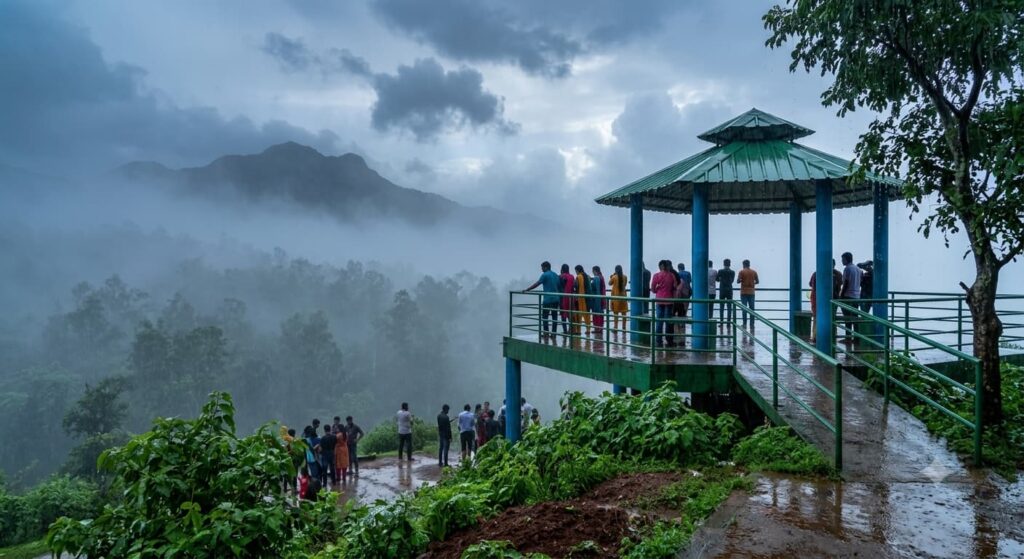
Sakleshpur in June feels calm, green, and untouched compared to many popular hill stations in South India. The monsoon slowly covers the region with fresh layers of greenery, turning coffee estates, forest patches, and mountain roads into a continuous green landscape. It is not a place for busy sightseeing, but for slow drives, small stops, and simple moments surrounded by nature. Most travelers come here to take a break from crowded tourist spots and spend time in peaceful plantation stays and misty surroundings.
Weather in Sakleshpur in June
June brings the first strong monsoon showers to Sakleshpur, changing the look and feel of the entire region. Rain arrives frequently throughout the day, and the hills stay fresh for most of the month. The weather remains comfortable for road trips and plantation stays, though outdoor plans often depend on passing showers.
🌤️ Day Temperature: 20°C – 25°C
🌙 Night Temperature: 17°C – 20°C
The changing weather is part of the experience here. A sunny morning can quickly turn into a rainy afternoon, making every drive through the Western Ghats feel a little different.
How to Reach Sakleshpur
Sakleshpur is well connected by both road and rail, making it a popular weekend getaway from Karnataka’s major cities. The journey itself is scenic, especially during the monsoon when the Western Ghats become more vibrant.
- Nearest Airport: Mangalore International Airport (135 km).
- Nearest Railway Station: Sakleshpur Railway Station
Distance from Major Cities:
- Bangalore – 220 km
- Mangalore – 130 km
- Mysore – 170 km
- Coorg (Madikeri) – 120 km
Private vehicles are the most convenient way to reach Sakleshpur, though regular buses and trains are also available from nearby cities.
What to See & Things to Do in Sakleshpur
Sakleshpur feels more like a drive destination than a checklist of tourist spots. The real charm comes from moving through winding mountain roads, passing through coffee estates, and stopping wherever the view feels right.
Bisle Viewpoint is one of the most striking spots here, where valleys open up into wide green layers during the monsoon. Manjarabad Fort adds a simple historical stop with a unique star-shaped structure and open hill views. Both places feel different in rainy weather when clouds move quickly across the landscape.
The journey through Sakleshpur’s coffee plantations is just as important as the attractions. Many estate roads cut through thick greenery, making even short drives feel scenic. Railway bridges and tunnels along the famous Green Route also attract travelers who enjoy train journeys through the Western Ghats.
Sakleshpur is also known for its plantation stays and quiet homestays. Many visitors spend more time inside their stay, enjoying rain, local food, and slow mornings instead of rushing between attractions. This slower pace is what makes Sakleshpur feel different from crowded hill stations.
How to Explore Sakleshpur
Sakleshpur is best explored without a fixed plan. The region feels like one continuous journey through hills, plantations, and forest roads rather than separate tourist spots. Most travelers stay near town or inside a plantation stay and explore nearby areas in short drives.The best way to get around is by bike or car. Roads pass through coffee estates and green stretches, so even short drives feel scenic. You will often stop for views, rain, and quiet road sections, which becomes part of the experience.
The railway route through the Western Ghats is another highlight, with tunnels and bridges that add a unique travel feel. Instead of rushing, it works better to explore Sakleshpur slowly in small trips from your stay.
Must Carry Items for Sakleshpur
Packing for Sakleshpur is simple if you focus on comfort and outdoor travel. Since most of your time will be spent moving between plantations, viewpoints, and short drives, it helps to keep only the essentials that make travel easier.
- Comfortable Walking Shoes : Sakleshpur involves walking through plantation roads, viewpoints, and uneven forest paths. A good pair of shoes that handles wet and slippery surfaces is important, especially during monsoon travel.
- Light Rain Jacket : A rain jacket works better than an umbrella because you will often be outdoors or on the move. It helps you stay dry during sudden showers without interrupting your travel plans.
- Backpack for Day Trips : A small backpack is useful for carrying water, snacks, camera, and essentials while exploring Sakleshpur. It keeps your hands free and makes short hikes and estate visits more convenient.
- Power Bank: A power bank helps keep your phone charged during long drives and outdoor sightseeing. It is useful for maps, photos, and staying connected throughout the day.
Solo Travel Guide to Sakleshpur
Sakleshpur is a calm and safe destination for solo travelers who enjoy nature and slow travel. Most people stay in plantation homestays or small resorts, which makes it easy to relax and feel comfortable even when traveling alone.Getting around is simple with a rented bike or local taxi. You can explore coffee estates, viewpoints, and short scenic drives at your own pace without needing a fixed plan.
Sakleshpur Travel Budget Guide
Sakleshpur can fit different travel styles, from budget trips to comfortable stays in plantation resorts. Most of your cost depends on where you stay and how you travel around the region.
- Budget (₹2,500 – ₹4,000/day).This includes homestays, local food, and shared or basic transport. It is a good option for backpackers and solo travelers.
- Mid-range (₹4,500 – ₹7,500/day).This covers comfortable stays, private transport, and easy sightseeing across viewpoints and coffee estates.
- Luxury (₹7,500+/day).This includes plantation resorts, premium homestays, and private travel experiences inside the Western Ghats.

Days Required to Explore Sakleshpur
Most travelers spend 2 to 3 days in Sakleshpur, which is enough to visit the main viewpoints, coffee estates, and nearby attractions. If you enjoy plantation stays and slow travel, staying an extra day allows you to explore at a more relaxed pace.A weekend trip works well for most visitors, while 3 to 4 days gives enough time to enjoy both the scenery and the laid-back atmosphere that Sakleshpur is known for.
Must-Try Experiences in Sakleshpur.
- Stay inside a coffee estate and wake up to plantation life
- Drive through Bisle Ghat and enjoy wide Western Ghats valley views
- Explore Manjarabad Fort and its star-shaped hilltop structure
- Travel along the Green Route railway stretch with tunnels and bridges
- Take slow drives through coffee plantations and forest roads
- Visit Bisle Viewpoint for mist-covered forest landscapes
- Experience short nature walks inside estate paths and village roads
- Spend quiet time at a homestay during monsoon rain
Nearby Tourist Places.
- Chikmagalur (75 km) – A popular hill destination known for coffee estates, mountain views, and scenic drives. Many travelers combine Chikmagalur and Sakleshpur in the same trip.
- Belur (35 km) – Home to the famous Chennakesava Temple, one of the finest examples of Hoysala architecture in Karnataka. It makes for an easy cultural detour from Sakleshpur.
- Halebidu (40 km) – Known for its historic temples and intricate stone carvings. It is often visited together with Belur on a day trip.
- Coorg (120 km) – Famous for its coffee plantations, viewpoints, and plantation stays. It pairs well with Sakleshpur for a longer Western Ghats itinerary.
- Kukke Subramanya (60 km) – A popular pilgrimage destination surrounded by forests and hills. The drive to the town is especially scenic during the monsoon season.
With its coffee estates, scenic drives, and monsoon-covered landscapes, Sakleshpur offers a refreshing escape from busy city life. The region is ideal for travelers who enjoy plantation stays, quiet surroundings, and slow-paced travel. For those looking for the best places to visit in South India in June, Sakleshpur stands out as a less crowded destination with plenty of natural charm.
Valparai: Where Rainforests Meet Endless Tea Gardens
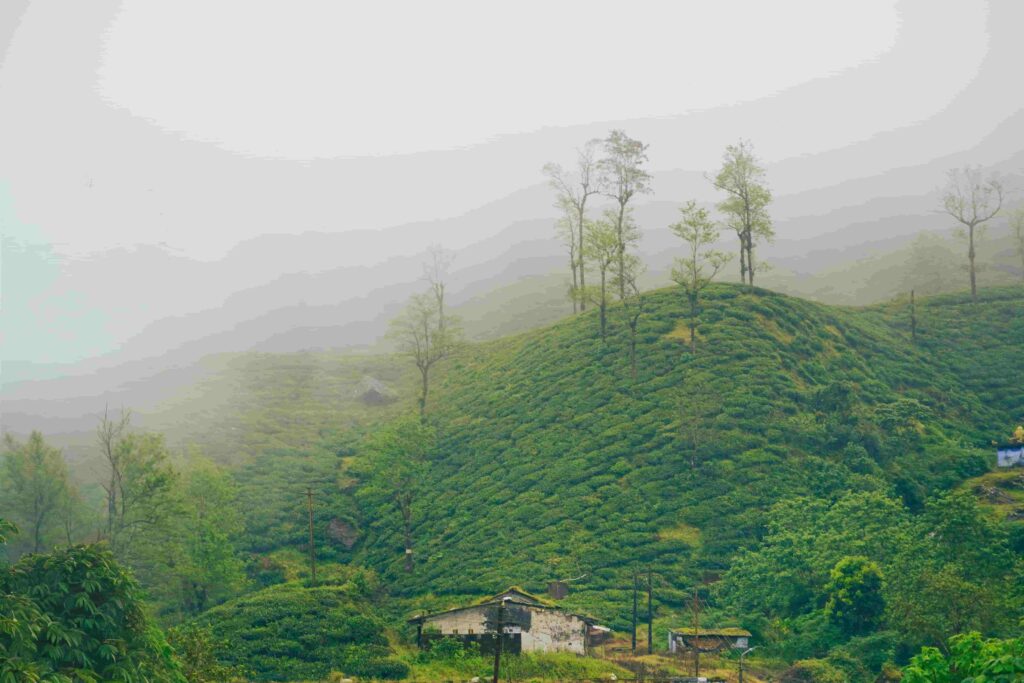
Valparai is an offbeat hill station in the Western Ghats of Tamil Nadu, known for its untouched rainforest landscape and quiet surroundings. Unlike crowded tourist spots, it still feels natural and less commercial, with forests and tea estates blending into one continuous green stretch. The journey to Valparai is a major part of the experience, moving through winding mountain roads, dense forest stretches, and viewpoints that open up suddenly across deep valleys. As you climb higher, the scenery slowly shifts into thicker greenery, making the drive feel immersive and connected to nature.Valparai feels more like an offbeat hill region where the journey matters more than the sightseeing, making it one of the best places to visit in South India in June for travelers who prefer nature over crowds.
Weather in Valparai in June
June is one of the wettest months in Valparai, with frequent rainfall across the region. Showers can arrive at any time of the day, often changing road conditions and visibility within a short period. This constant interaction between rain and landscape is part of what makes visiting Valparai during the monsoon feel unique.
🌤️ Day Temperature: 20°C – 25°C
🌙 Night Temperature: 17°C – 20°C
Travel plans may occasionally slow down because of the weather, but the rain is also what gives Valparai its lush rainforest character during this time of year.
How to Reach Valparai
Valparai can be reached from both Tamil Nadu and Kerala, making it accessible from multiple parts of South India.
Nearest Airports
- Coimbatore International Airport – 115 km.
- Cochin International Airport – around 120 km
Nearest Railway Station.
- Pollachi Junction – 65 km.
Popular Road Routes.
- Via Pollachi – Known for its winding mountain roads and scenic viewpoints.
- Via Athirappilly – Malakkappara – A scenic forest route preferred by many travelers from Kerala.
Private vehicles are the most convenient way to reach and explore Valparai, as most attractions are spread across the region.
What to See & Things to Do in Valparai
Valparai offers a mix of tea-covered hills, rainforest landscapes, waterfalls, and wildlife-rich forest stretches. Unlike many hill stations where attractions are concentrated in one area, the highlights here are spread across the region, making the journey between places just as rewarding as the destinations themselves.
Viewpoints across Valparai open up to wide valley views, rolling tea estates, and dense forests of the Anamalai Hills. The region is also known for its wildlife, and sightings of Lion-tailed Macaques, hornbills, and even elephants are possible in certain areas. Dams, waterfalls, and forest roads add variety to the experience, giving travelers plenty to explore throughout their stay.
Many visitors come to Valparai not just for sightseeing, but to experience a landscape where tea plantations, rainforests, and wildlife exist side by side. This combination gives the region a character that feels very different from more commercial hill destinations.
How to Explore Valparai
The best way to explore Valparai is by car or bike, giving you the freedom to stop whenever something catches your attention. In Valparai, some of the most memorable moments are often unplanned. A herd of elephants crossing near a tea estate, a hornbill flying across the road, or a sudden opening in the forest revealing a valley view can easily become the highlight of the day.
Most attractions are spread across the region, so the journey between them becomes part of the experience. Taking your time and making frequent stops works better than following a packed sightseeing schedule. Early mornings are especially rewarding, when the roads are quieter and wildlife activity is often higher.
Must Carry Items for Valparai
Valparai involves forest roads, wildlife spotting, and long scenic drives, so carry items that help you enjoy the outdoors comfortably. Since weather can change quickly and many moments happen unexpectedly, being prepared makes the trip more enjoyable.
Binoculars
Valparai is known for its rich wildlife, and binoculars can help you spot birds, monkeys, and animals from a safe distance. It is especially useful during forest drives and early morning exploration.
- Camera : With tea landscapes, rainforest stretches, and possible wildlife sightings, Valparai offers plenty of photo opportunities. A camera helps capture moments that you may not experience again during the journey.
- Binoculars : Valparai is known for its rich wildlife, and binoculars can help you spot birds, monkeys, and animals from a safe distance. It is especially useful during forest drives and early morning exploration.
- Light Rain Jacket : Rain showers are common, especially during the monsoon season. A lightweight rain jacket keeps you comfortable while travelling through forest areas and viewpoints.
- Comfortable Shoes : Many stops involve short walks on wet or uneven paths. Good footwear helps you explore safely without worrying about slippery surfaces.Solo Travel Guide to Valparai
Solo Travel Guide to Valparai
Valparai suits solo travelers who enjoy nature, wildlife, and quiet journeys. Since local transport for sightseeing is limited, it is better to arrange your vehicle from Coimbatore or Kochi before reaching.Budget travelers can find simple lodges, while homestays and resorts offer more comfort. There are no major hostel options, so booking early is a good idea during busy periods.
Valparai Travel Budget Guide
Valparai can be explored in different budgets, depending on your stay choice and travel style. Since transport plays an important role here, planning your vehicle and stay together helps manage expenses.
- Budget (₹2,500 – ₹3,200/day) : Simple lodges, local food, and basic travel arrangements make Valparai affordable for budget travelers.
- Mid-range (₹4,500 – ₹8,500/day): Comfortable stays, private transport, and a relaxed itinerary covering the main landscapes and experiences.
- Luxury (₹9,000 – ₹15,000/day): Luxury stays in Valparai are mostly plantation resorts with limited rooms and a more private nature experience. Many are located close to forest areas, so advance booking is important. Some routes may involve forest checkposts where stay details and permissions are checked.

Days Required to Explore Valparai
A 2-day trip is enough to experience Valparai’s main highlights, including tea landscapes, viewpoints, forest routes, and wildlife areas. Since the region is spread out, planning your route well helps you cover the best spots comfortably.For a more relaxed experience with extra time for photography, nature drives, and enjoying your stay, 3 days would be ideal.
Must-Try Experiences in Valparai
- Wildlife spotting on forest roads : Elephants, Lion-tailed Macaques, hornbills, and other wildlife are often seen along forest stretches and estate roads.
- Drive through the rainforest route : If you are coming from Pollachi, consider continuing towards Athirappilly through the forest route. The journey itself is one of the highlights of visiting Valparai.
- Experience the 40 hairpin bends : Travelers coming from Kerala can enjoy one of South India’s most scenic mountain drives, with winding bends and beautiful valley views. A stop in Pollachi for the famous Kushka biryani is highly recommended.
- Stay in a plantation resort : Many plantation stays offer a peaceful experience surrounded by tea estates and nature.
- Bird watching and photography : Valparai is known for its rich birdlife, rainforest landscapes, and wildlife photography opportunities.
Best Nearby Places to Visit from Valparai
- Athirappilly (90 km) : Famous for Athirappilly Waterfalls, one of the largest and most scenic waterfalls in South India. Many travelers combine it with Valparai through the forest route.
- Pollachi (65 km) : A vibrant town known for its markets, countryside landscapes, and food. It also serves as the main gateway to Valparai.
- Topslip (35 km) : Located within the Anamalai Tiger Reserve, Topslip is known for its forests, wildlife, and nature-based activities.
- Parambikulam Tiger Reserve (40 km): One of the best wildlife destinations in South India, offering forest safaris, birdwatching, and rich biodiversity.
- Aliyar Dam (25 km) : A popular stop on the route to Valparai, known for its reservoir views and the surrounding mountain scenery.
Valparai offers a different side of the Western Ghats, where rainforests, tea estates, wildlife, and scenic mountain roads come together in one destination. Its offbeat character, limited crowds, and close connection to nature make it a refreshing escape for travelers seeking something beyond the usual hill station experience. For those looking for the best places to visit in South India in June, Valparai stands out as a destination where the journey is just as memorable as the destination itself.
Kodaikanal: A Hill Station Full of Memories.
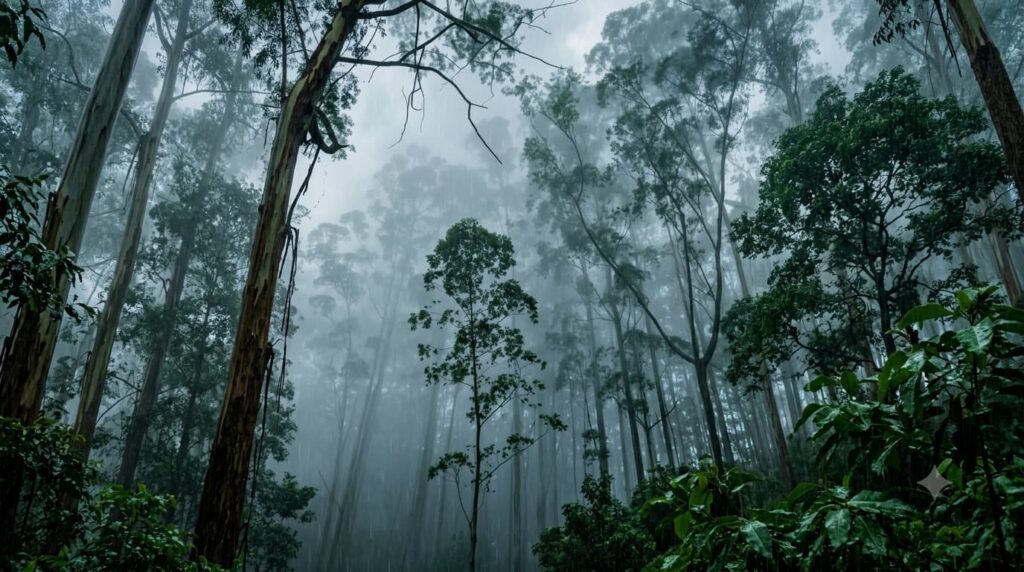
For many people in South India, Kodaikanal is more than just a hill station. It is a place tied to school excursions, family holidays, college trips, and memories that often go back many years. Even for first-time visitors, there is something familiar about its lakeside roads, cool weather, and relaxed atmosphere.
But the Kodaikanal experience goes beyond the usual tourist circuit of Kodaikanal Lake, Coaker’s Walk, and Bryant Park. Beyond these popular spots, the hills open into quiet villages, forest trails, grasslands, and untouched landscapes that show a completely different side of the region. Places around the countryside offer a slower and more natural experience, where the beauty comes from the journey, the surroundings, and the peaceful mountain atmosphere. This mix of nostalgia and hidden beauty keeps Kodaikanal among the best places to visit in South India in June.
Weather in Kodaikanal in June
June marks the beginning of the monsoon season in Kodaikanal, bringing fresh greenery, cloudy skies, and occasional showers across the hills. The weather can change quickly, with sunny moments turning into misty or rainy conditions within a short time.The rain adds a different charm to the forests, waterfalls, and countryside roads, making the landscape look more vibrant. It is a good time for travelers who enjoy quieter surroundings and a more natural side of the hill station.
🌤️ Day Temperature: 18°C – 22°C
🌙 Night Temperature: 12°C – 16°C
Carry light rain protection and plan some flexibility in your itinerary, as weather conditions can influence outdoor activities.
How to Reach Kodaikanal
Kodaikanal is well connected by road and can be reached easily from major cities in Tamil Nadu and Kerala.
Nearest Airport
- Madurai Airport – 120 km
- Coimbatore International Airport – 175 km
Nearest Railway Station
- Kodai Road Railway Station – 80 km
By Road
Kodaikanal can be accessed through a scenic ghat road from Kodai Road and Batlagundu. Regular buses, taxis, and private vehicles are available from nearby cities such as Madurai, Coimbatore, Dindigul, and Kochi.
The drive to Kodaikanal is part of the experience, with winding mountain roads, valley views, and changing landscapes as you climb into the hills.
What to See & Things to Do in Kodaikanal
Kodaikanal offers a mix of lakes, forests, viewpoints, waterfalls, villages, and scenic countryside landscapes. If it is your first visit, the classic attractions like Kodaikanal Lake, Coaker’s Walk, Bryant Park, Pine Forest, Pillar Rocks, Silver Cascade Falls, Green Valley View, and Guna Caves deserve a place in your itinerary. These places have been part of Kodaikanal’s charm for generations and continue to attract travelers.
A walk along Coaker’s Walk with clouds moving through the valleys is one of those simple Kodaikanal moments that stays with you. The Pine Forest feels like stepping into another world with its tall trees and quiet paths, while Guna Caves adds a sense of mystery and adventure to the hills. Around Kodaikanal Lake, a slow walk or cycle ride is the perfect way to enjoy the cool mountain air. Beyond these familiar spots, villages like Poombarai offer beautiful terraced farms and traditional village views, Mannavanur brings wide grasslands, lakes, and peaceful countryside scenes, Poondi is ideal for quiet scenic drives, and Kookal reveals a more untouched side of the hills.
But June in Kodaikanal is not just about completing a sightseeing list. It is about walking through a light drizzle, watching mist cover the roads within minutes, and exploring trails where every turn feels different. Kodaikanal is also a paradise for trekkers, with forest paths and mountain routes waiting to be explored. Staying in a village homestay lets you experience the slower rhythm of local life, while old bakeries, cafés, and colonial-era influences remind you of Kodaikanal’s past as a British hill station. “Walking through Kodaikanal’s foggy mornings and warming up later with a hot cup of local tea is a simple experience that stays with you.”, and never leave without cycling around the lake — one of the most timeless Kodaikanal experiences.
How to Explore Kodaikanal
Before entering Kodaikanal with your own vehicle, make sure to complete the required tourist vehicle e-pass formalities, as it is mandatory for vehicles entering the hill station. For a comfortable stay, it is better to choose accommodation near Kodaikanal Lake or the town area, as many attractions are easier to access from here.
Exploring Kodaikanal by Car or Taxi
If you are travelling in your own car, start early in the morning and cover the popular sightseeing circuit before the roads get crowded. Places like Pine Forest, Guna Caves, Pillar Rocks, and nearby viewpoints are best visited in the first half of the day. After returning to the hotel, park your car and explore the lake area, Coaker’s Walk, Bryant Park, cafés, and local streets by walking or cycling. Spend your evening visiting places like Chettiar Park and La Saleth Church, or simply enjoy a relaxed walk through the cooler streets of Kodaikanal.
If you prefer a taxi, it is often the easiest way to explore Kodaikanal. Local drivers understand the narrow hill roads, know alternate routes, and can help you cover more places without wasting time. After sightseeing, you can relax and spend your evening around the lake enjoying the misty atmosphere. This makes Kodaikanal one of the best places to visit in South India in June for travellers looking for cool weather and peaceful hill experiences.
On the second day, explore the other side of Kodaikanal by visiting places like Dolphin’s Nose, Vattakanal, and the surrounding viewpoints. These areas offer forest walks, valley views, waterfalls, and a more adventurous side of the hills. Keep the third day for the countryside and drive towards villages like Mannavanur, Poombarai, Poondi, and Kookal to experience grasslands, farms, village roads, and the quieter beauty of Kodaikanal beyond the main tourist circuit.
Budget-Friendly Sightseeing Options
For solo travellers or budget groups, shared sightseeing mini-buses are another option. They are usually available near the main bus stand and operate on fixed routes at affordable prices. However, since these trips follow a set schedule and usually start around peak hours, you may spend more time in traffic and have limited time at each location. They work well if you want an economical overview of Kodaikanal, but a taxi or own vehicle gives a more comfortable experience.
If you have already visited Kodaikanal before, you can skip the usual first-day sightseeing circuit and spend more time exploring the quieter side of the hills. Instead of repeating the famous spots, head towards villages, forest roads, viewpoints, and countryside areas that offer a different Kodaikanal experience. With misty landscapes and pleasant weather, it continues to remain among the best places to visit in South India in June.
Note: Kodaikanal does not have self-drive car rentals, so plan your transport through your own vehicle or local taxis.
Must Carry Items for Kodaikanal
The weather in Kodaikanal during June can change quickly, with mist, light rain, and cool temperatures throughout the day. Carrying a few essentials will help you stay comfortable while exploring the hill station and its surrounding villages.
- Rain Jacket or Poncho : June marks the monsoon season, and sudden drizzles are common. A lightweight rain jacket or poncho will keep you dry without taking up much space in your luggage.
- Comfortable Walking Shoes : From lakeside walks and village roads to viewpoints and trekking trails, you will spend a lot of time on your feet. Good walking shoes provide better grip on wet and uneven surfaces.
- Umbrella : A compact umbrella is useful for short walks around the town, especially when the weather changes unexpectedly.
- Warm Jacket or sweatter : Although days are pleasant, mornings, evenings, and rainy periods can feel quite chilly. A light jacket or sweater is usually enough for most travelers.
- Camera : Kodaikanal is filled with misty landscapes, viewpoints, forests, waterfalls, and charming village scenery. A camera helps capture moments that a phone often struggles to do justice to.
- Binoculars : Useful for enjoying distant valley views, spotting birds, and appreciating the surrounding landscapes from viewpoints around Kodaikanal and nearby villages.
- Reusable Water Bottle : Whether you are cycling around the lake, exploring villages, or going on short treks, staying hydrated is important throughout the trip.
- Basic Medicines : Carry personal medications along with remedies for motion sickness, headaches, and common cold symptoms, especially if you are sensitive to mountain roads or changing weather conditions.
Solo Travel Guide to Kodaikanal
Kodaikanal is one of the most solo-traveler-friendly hill stations in South India. Staying near Kodaikanal Lake or the town center makes it easy to explore attractions, cafés, and local markets on foot.Budget travelers can use shared sightseeing mini-buses, while local taxis offer more flexibility for exploring villages and viewpoints. Since there are no self-drive car rentals in Kodaikanal, plan your transport in advance.For travelers looking for something different, several offbeat camping and tent-stay experiences are available around the outskirts of Kodaikanal. These stays offer a chance to experience the hills away from the crowds and wake up to misty landscapes and peaceful surroundings.
Adventure seekers can also consider a trek to Vellagavi, one of the few villages in Tamil Nadu that can only be reached on foot. The scenic trail passes through forests, valleys, and waterfalls before reaching the remote village, making it one of the most unique experiences around Kodaikanal.
Whether it is cycling around the lake, exploring misty roads, visiting nearby villages, or relaxing in a café with a hot cup of tea, Kodaikanal is a destination best enjoyed at your own pace.
Kodaikanal Travel Budget Guide
Kodaikanal can be explored on different budgets, depending on your choice of accommodation, transport, and travel style. Staying near the town center or lake area can help reduce local travel expenses and make sightseeing more convenient.
Budget (₹1,500 – ₹2,500/day) Simple lodges, budget hotels, local eateries, and shared sightseeing options make Kodaikanal a great choice for budget travelers.
Mid-range (₹3,000 – ₹5,000/day) Comfortable hotels, private taxi sightseeing, café visits, and a relaxed itinerary covering both popular attractions and nearby villages.
Luxury (₹6,000+/day) Premium resorts, heritage stays, boutique properties, and valley-view accommodations offer a more exclusive experience. Many of these stays are located away from the busy town center, providing a quieter atmosphere and scenic views of the surrounding hills.

Days Required to Explore Kodaikanal
The number of days required to explore Kodaikanal depends on the kind of traveler you are. Some visitors come to tick off the famous attractions, while others prefer slowing down and discovering the quieter side of the hills.If you are visiting Kodaikanal for the first time and want to explore the popular attractions such as Kodaikanal Lake, Coaker’s Walk, Pine Forest, Guna Caves, Pillar Rocks, and nearby viewpoints, 2 days and 1 night is usually enough.
If you want to experience Kodaikanal beyond the usual tourist circuit, including places like Vattakanal, Dolphin’s Nose, waterfalls, and scenic drives through the hills, plan for 3 days and 2 nights.This gives you enough time to enjoy the destination without rushing.For travelers interested in exploring villages such as Poombarai, Mannavanur, Poondi, Kookal, trekking to Vellagavi, camping experiences, and spending relaxed mornings in the mist, 4 days or more is ideal. The extra time allows you to experience a slower and more authentic side of Kodaikanal that many visitors miss.
Must-Try Experiences in Kodaikanal
Kodaikanal is not a destination that is best experienced through a checklist of attractions. Some of the most memorable moments happen when you slow down and simply enjoy the atmosphere of the hills.Take a walk through Coaker’s Walk on a misty morning, cycle around Kodaikanal Lake before the crowds arrive, and don’t be surprised if a light drizzle becomes one of your favorite memories of the trip. A foggy morning walk followed by a hot cup of local tea is one of the simplest yet most authentic Kodaikanal experiences.
Drive beyond the town towards Poombarai, Mannavanur, Poondi, or Kookal, where village roads, farmlands, grasslands, and mountain views reveal a quieter side of Kodaikanal. If you enjoy trekking, consider the hike to Vellagavi, one of the few villages in Tamil Nadu that can only be reached on foot. For nature lovers, camping experiences around the outskirts of Kodaikanal offer peaceful nights away from the tourist crowds.If you visit during June, make time to simply sit back and watch the clouds roll across the valleys. Sometimes, doing nothing at all becomes the most memorable Kodaikanal experience.
A trip to Kodaikanal feels incomplete without tasting the legendary cream bun from Daily Bread Pastry Corner, a local favorite since 1985. Add a steaming cup of filter coffee and a misty afternoon, and you’ve just experienced one of Kodaikanal’s most iconic traditions.
Best Nearby Places to Visit from Kodaikanal
Kodaikanal itself has plenty to explore, but the real charm begins when you drive beyond the town. The surrounding hills lead to quiet villages, forests, lakes, trekking trails, waterfalls, and viewpoints where the landscape changes with every turn.
- Mannavanur (35 km) – Open grasslands, a peaceful lake, sheep farms, and beautiful countryside views.
- Kookal (35 km) – A quiet village escape with forests, untouched landscapes, and the mysterious Kookal Caves.
- Berijam Lake (22 km) – A calm forest-side destination surrounded by nature and wildlife.
- Vellagavi (20 km trek route) – A unique offbeat village experience that can only be reached by trekking through the hills.
- Perumal Peak (15 km) – A rewarding trek with panoramic views of the Western Ghats.
- Thalaiyar Falls (40 km) – One of the tallest waterfalls in India, best enjoyed from the viewpoints around the hills.
- Palani (65 km) – A cultural addition to your trip, known for the famous hill temple and the scenic drive down from the mountains.
These places are best explored slowly, where the journey through misty roads and mountain landscapes becomes part of the experience.
Kodaikanal is more than just a hill station filled with viewpoints and tourist spots. The true Kodaikanal experience comes from misty mornings, quiet village roads, forest walks, and slow moments that become the real memories you take back home. This is why Kodaikanal is often considered one of the best places to visit in South India in June.
Whether it is your first visit bringing back old school-trip memories or a return journey to discover the lesser-known side of the hills, Kodaikanal always offers something new. From the calm of the lake to the hidden villages beyond the town, the charm of Kodaikanal lies in taking your time and letting the mountains set the pace.
Araku Valley: Where the Journey Becomes the Destination.
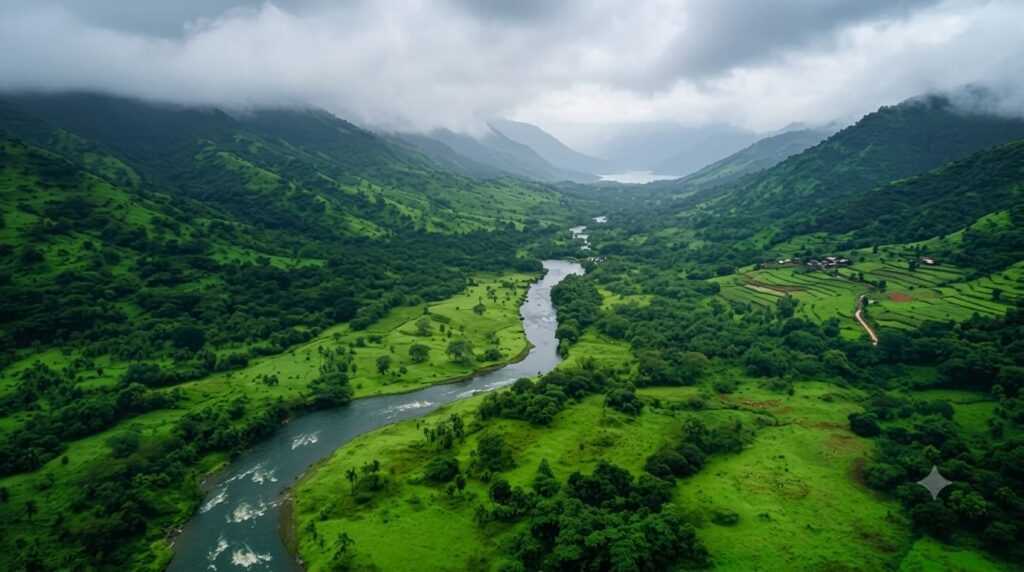
Hidden in the Eastern Ghats, Araku Valley is one of the few places where the journey is as memorable as the destination itself. For many travelers, the trip begins aboard the famous train from Visakhapatnam, passing through dozens of tunnels, bridges, forests, and mountain landscapes before arriving in the valley.Often called the “Ooty of Andhra Pradesh,” Araku is known for its organic coffee plantations, tribal heritage, waterfalls, caves, and mist-covered hills. Unlike many crowded hill stations, life moves at a slower pace here, making it one of the best places to visit in South India in June.
Whether it is sipping freshly brewed Araku coffee, exploring ancient caves, or watching clouds drift over the coffee-covered hills, Araku offers a side of the Eastern Ghats that many travelers never expect to find.
Weather in Araku Valley in June
June brings the beginning of the monsoon season to Araku Valley, with pleasant temperatures, cloudy skies, and occasional showers. The weather stays comfortable compared to the plains, making it a good escape from the summer heat.
Rainfall during this period is usually moderate, with short showers and cooler evenings. The valley can experience sudden weather changes, with mist and clouds appearing especially in the mornings and higher areas.
🌤️ Day Temperature: 22°C – 28°C
🌙 Night Temperature: 16°C – 20°C
June is a suitable time to visit Araku if you enjoy cool weather, light rain, and the fresh atmosphere that comes with the early monsoon. This makes Araku Valley one of the best places to visit in South India in June for travellers looking for a refreshing hill escape.
How to Reach Araku Valley
The journey to Araku Valley is not just about arriving at the destination; the route itself becomes part of the experience. As you leave Visakhapatnam and move towards the Eastern Ghats, the scenery slowly changes into forests, valleys, tunnels, and mist-covered hills.
Nearest Airport: Visakhapatnam Airport is the closest airport to Araku Valley, around 115 km away. From the airport, you can continue towards Araku by taxi, bus, or your own vehicle.
By Train: Araku has its own railway station, but the most popular way to reach the valley is from Visakhapatnam Railway Station, which connects well with major cities. The Visakhapatnam–Araku train journey is one of the highlights of the trip. The Vistadome coach makes the ride even more special with wide glass windows offering views of tunnels, bridges, forests, and valleys of the Eastern Ghats. Regular trains are also available for travellers who prefer a simpler and budget-friendly option.
By Road: Araku is around 115 km from Visakhapatnam and the drive usually takes about 3.5 to 4.5 hours. A road trip gives you the freedom to stop at viewpoints, waterfalls, and scenic spots along the way, making the journey as enjoyable as the destination.
By Bus: Regular buses operate from Visakhapatnam and usually take around 4 to 5 hours to reach Araku. It is a good budget option, but a taxi or own vehicle is more comfortable if you want to explore nearby attractions.
What to See & Things to Do in Araku Valley
Araku Valley is one of those rare places where the journey leaves as strong an impression as the destination itself. Surrounded by the Eastern Ghats, the valley is known for its organic coffee plantations, tribal heritage, ancient caves, waterfalls, and refreshing mountain landscapes. It is one of the best places to visit in South India in June for travellers looking for a mix of culture, nature, and monsoon charm.
Train Journey
For many visitors, the real highlight begins aboard the famous train from Visakhapatnam. As the train climbs into the Eastern Ghats, it passes through 58 tunnels and crosses 84 bridges, revealing forests, valleys, waterfalls, and mountain landscapes along the way. The Vistadome coach makes the experience even more memorable with panoramic views through its large glass windows. If possible, choose a seat on the right side of the train, as most of the dramatic valley views and waterfalls appear on that side during the journey to Araku. There are moments when the train emerges from a dark tunnel into a completely different landscape, making the journey feel as memorable as the destination itself.
Road
A road trip through Araku offers a different kind of charm. The winding roads pass through coffee-covered hills, forest stretches, and small villages where life moves at a slower pace. Along the way, stop for a cup of freshly brewed Araku coffee, taste local snacks from roadside shops, and enjoy the changing landscapes of the Eastern Ghats. The small moments between destinations often become the memories you carry back.
Among the main attractions, Borra Caves stand out with their ancient limestone formations, while Katiki Waterfalls and Chaparai Water Cascade showcase the natural beauty of the region. The Coffee Museum gives a closer look at Araku’s famous coffee culture, and the Tribal Museum offers a glimpse into the traditions and lifestyle of local communities. Padmapuram Botanical Garden, known for its unique hanging cottages and history, adds another interesting stop. For wider valley views, Galikonda View Point and Ananthagiri Hills are perfect places to experience the beauty of the Eastern Ghats.
Must Carry Items for Araku Valley
Araku is not just about viewpoints; many experiences involve forests, plantations, caves, and village roads. Carry items that help you enjoy these moments comfortably.
- Train Journey Essentials – Keep a light jacket, snacks, water, and a small bag ready for the scenic Vistadome ride.
- Small Day Bag – Useful for carrying essentials while exploring coffee plantations, museums, caves, and viewpoints.
- Comfortable Walking Shoes – Helpful for Borra Caves, waterfalls, viewpoints, and uneven forest paths.
- Rain Cover or Poncho – June showers can appear suddenly during outdoor activities.
- Light Warm Layer – Mornings and evenings can feel cooler due to the valley climate.
- Some Cash – Useful for roadside food stalls, small shops, and local experiences.
Solo Travel Guide to Araku Valley
Araku Valley is a comfortable destination for solo travellers, with a relaxed atmosphere, friendly locals, and good connectivity from Visakhapatnam. It is easy to explore without feeling rushed.
The train journey to Araku is a great choice for solo travellers. After reaching the valley, local taxis are the most convenient way to explore nearby attractions. Avoid depending only on buses if you want more flexibility with timings and places.
Solo travellers can enjoy coffee plantations, museums, local food, viewpoints, and village landscapes at their own pace.
- Start your days early,
- keep some cash for small shops and roadside stops, and
- avoid isolated forest routes after dark. Staying near the town area also makes exploring easier.
Araku Valley Travel Budget Guide
Araku Valley can be explored on different budgets, depending on your stay, transport, and travel style. Transport often becomes the biggest factor, especially when visiting attractions spread across the valley and nearby hills.
Budget (₹2,500 – ₹4,000/day) Simple lodges, local food, train or bus travel, and basic sightseeing make Araku affordable for budget travellers.
Mid-range (₹5,000 – ₹8,000/day) Comfortable hotels, private taxis for sightseeing, better dining options, and a relaxed itinerary covering the main attractions.
Luxury (₹10,000+/day) Premium resorts, private transport, and a more comfortable travel experience. Luxury options are limited compared to larger hill stations, so advance booking is recommended.
Note: Transport can significantly influence your overall budget. Private taxis offer the most flexibility but increase daily travel costs.

Days Required to Explore Araku Valley
Araku Valley is a spread-out hill destination with waterfalls, coffee plantations, viewpoints, tribal attractions, and scenic valleys. To truly enjoy its natural beauty, it requires more time than a quick visit.
- 2 Days / 1 Night:The minimum ideal duration to explore Araku Valley comfortably. You can cover the main attractions, enjoy valley views, visit waterfalls, explore coffee plantations, and experience the peaceful hill atmosphere without rushing.
- 3 Days / 2 Nights:The best duration for most travellers to experience Araku Valley properly and enjoy its landscapes at a relaxed pace. If you are planning a train journey, keeping one extra day is recommended as travel time can take up a significant part of the trip.
- 4 Days or More:Perfect for slow travellers who want to explore nearby places, spend more time in nature, enjoy local experiences, and discover hidden corners around the valley.
Overall, 3 days and 2 nights is ideal for a comfortable Araku Valley trip, while extra time allows for a more relaxed and immersive experience.
Must-Try Experiences in Araku Valley
- Take the Scenic Train Ride – Travel from Visakhapatnam to Araku by Vistadome or regular passenger train. The route passes through approximately 58 tunnels and dozens of bridges, offering some of the most spectacular views in the Eastern Ghats.
- Taste Traditional Bamboo Chicken – Stop at Chaparai Water Cascade or roadside stalls to try this famous tribal dish. Chicken is marinated, packed inside bamboo shoots, and cooked over a wood fire, creating a unique smoky flavour.
- Explore the Borra Caves – Located about 35 km before Araku town, these 150-million-year-old limestone caves are known for their massive stalactite and stalagmite formations.
- Sip Fresh Araku Coffee – Visit the Coffee Museum to learn about the region’s coffee heritage, sample organic brews, and shop for locally produced coffee and chocolates.
- Discover Tribal Culture – Spend time at the Tribal Museum to explore traditional artifacts, terracotta crafts, handwoven garments, and the rich heritage of the Eastern Ghats communities.
Best Nearby Places to Visit from Araku Valley
Araku Valley itself offers plenty to explore, but travellers with extra time can also visit several interesting destinations nearby. If you are travelling from Visakhapatnam, places like Tyda Nature Camp, Ananthagiri Hills, and Borra Caves can be explored along the route before reaching Araku.
- Borra Caves (35 km) – One of India’s largest limestone cave systems, famous for its spectacular rock formations.
- Ananthagiri Hills (25 km) – Known for coffee plantations, forest roads, viewpoints, and peaceful hill landscapes.
- Lambasingi (85 km) – Often called the “Kashmir of Andhra Pradesh,” this quiet hill destination is known for its cool climate and misty mornings.
- Paderu (45 km) – A scenic hill town surrounded by valleys, forests, and tribal villages.
- Chaparai Water Cascade (15 km) – A popular natural water stream flowing over smooth rock formations.
- Katiki Waterfalls (30 km) – A beautiful forest waterfall reached through a short trek and jeep ride.
- Tyda Nature Camp (75 km) – A forest retreat offering nature trails, birdwatching, and Eastern Ghats scenery..
Araku Valley offers a different side of hill travel in South India. Instead of crowded viewpoints and busy tourist streets, it combines scenic train journeys, organic coffee plantations, tribal heritage, ancient caves, and the peaceful landscapes of the Eastern Ghats
June brings cooler weather, fresh greenery, and the first touch of the monsoon, making the valley even more refreshing. Whether you come for the famous train ride, a cup of freshly brewed Araku coffee, or simply to experience a slower pace of travel, Araku remains one of the best places to visit in South India in June for nature, culture, and memorable journeys.
Horsley Hills: Andhra Pradesh’s Quiet Hill Retreat.
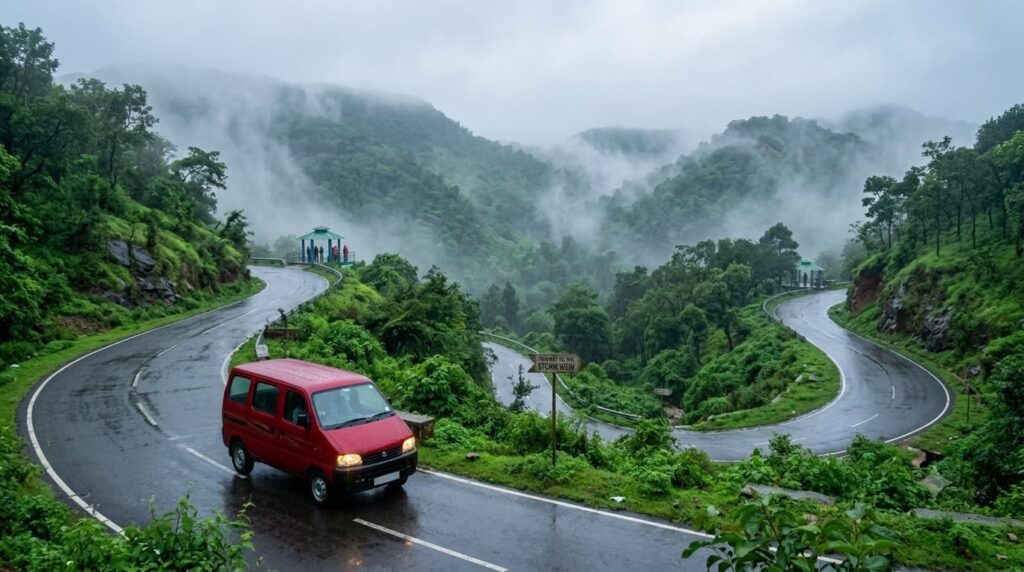
Rising above the hot plains of Andhra Pradesh, Horsley Hills offers a refreshing escape of cool weather, eucalyptus forests, and panoramic valley views. Often called the “Ooty of Andhra Pradesh,” this peaceful hill station provides a quieter alternative to many of South India’s popular hill destinations.
Known for its fresh mountain air, scenic viewpoints, rich birdlife, and the famous Kalyani Tree, Horsley Hills is ideal for travellers seeking a slower pace of travel. With pleasant temperatures and fresh monsoon greenery, it remains one of the best places to visit in South India in June for a peaceful hill-station getaway.
Weather in Horsley Hills in June
June marks the beginning of the monsoon season in Horsley Hills, bringing cooler temperatures, cloudy skies, and regular rainfall. The showers transform the forests and valleys into lush green landscapes, while mist often drifts through the eucalyptus-covered hills.
The weather remains pleasant throughout the day, with fresh mountain breezes helping to balance the humidity. Fog and mist are common around viewpoints and forest trails, adding to the hill station’s peaceful atmosphere.
🌤️ Day Temperature: 24°C – 30°C
🌙 Night Temperature: 18°C – 22°C
The combination of cool weather, fresh greenery, and monsoon scenery makes Horsley Hills one of the best places to visit in South India in June for a quiet hill-station escape.
How to Reach Horsley Hills
Horsley Hills is well connected by road and can be easily reached from major cities in Andhra Pradesh, Karnataka, and Tamil Nadu.
By Road: Driving is the most convenient way to reach Horsley Hills. The hill station is about 3½–4½ hours from Bengaluru, 3 hours from Tirupati, and 4½–5½ hours from Chennai. The final stretch includes a scenic hill road with several viewpoints along the way.
By Train: The nearest railway station is Madanapalle Road Railway Station, located about 28 km from Horsley Hills. Taxis and local transport are available from the station.
By Air: The nearest airport is Kempegowda International Airport, Bengaluru, approximately 140 km away. From the airport, travellers can continue by taxi or self-drive vehicle.
By Bus: Regular buses connect Madanapalle and nearby towns with Horsley Hills. However, a private vehicle or taxi offers greater flexibility for exploring the hill station and surrounding areas.
What to See & Things to Do in Horsley Hills
Horsley Hills is not a destination packed with dozens of attractions. Instead, its charm comes from cool weather, eucalyptus forests, scenic viewpoints, and a peaceful atmosphere that encourages travellers to slow down and enjoy the surroundings. This quieter character makes it one of the best places to visit in South India in June for those looking to escape the heat and crowds of larger tourist destinations.
One of the most famous landmarks is the Kalyani Tree, a giant eucalyptus planted during the British era. The hill station is also known for its dense eucalyptus groves, fresh mountain air, and forested surroundings that create a refreshing environment throughout the year.
For scenic views, head to Whisper Winds View Point, Sunset Point, and Galibanda (Wind Rocks). These locations offer panoramic views of the valleys, rolling hills, and monsoon-covered landscapes below. During June, drifting clouds and mist often add to the scenery.
Beyond the viewpoints, Horsley Hills also reflects its colonial past through old British-era bungalows and historic buildings. Nature lovers can spend time exploring forest trails, birdwatching, and enjoying the peaceful atmosphere that sets Horsley Hills apart from busier hill stations.
How to Explore Horsley Hills
Horsley Hills is best explored by your own vehicle or a local taxi, as it allows you to move comfortably between viewpoints, forest areas, and other attractions. The hill station is relatively compact, and most places can be covered at a relaxed pace without spending too much time on the road. Walking is also a pleasant option around the main area, especially during the cooler parts of the day. Since public transport options within the hill station are limited, a private vehicle or taxi offers the most flexibility and makes it easier to stop at viewpoints and enjoy the peaceful surroundings without rushing.
Must Carry Items for Horsley Hills
- Hoodie – Mornings, evenings, and windy viewpoints can feel cooler, especially during the monsoon season.
- Umbrella – Short rain showers are common in June, making an umbrella useful while exploring the hill station.
- Water Bottle – Carry a reusable water bottle to stay hydrated while visiting viewpoints and walking around the hills.
Solo Travel Guide to Horsley Hills
Horsley Hills is a peaceful hill destination for solo travellers looking for a quiet escape surrounded by forests, viewpoints, and cool mountain weather. Its relaxed atmosphere and compact layout make it easy to explore at a comfortable pace. Most attractions are located close to each other, allowing solo travellers to enjoy viewpoints, eucalyptus groves, nature walks, and peaceful moments in the hills. A private vehicle or local taxi is helpful for exploring places farther away.
Bengaluru to Horsley Hills Ride:
The journey from Bengaluru to Horsley Hills is an experience on its own. Riding through the Hoskote–Chintamani–Madanapalle route offers scenic countryside views, quiet roads, and beautiful hill stretches, making it perfect for a memorable solo bike ride. Travellers choosing buses can reach Madanapalle and continue towards the hills by local transport.
Solo Travel Tips:
- Carry enough water and light snacks, as food options are limited in some areas.
- Keep a light jacket or rain layer, especially during monsoon months.
- Carry some cash as network connectivity may be weak in certain spots.
- Explore viewpoints during daylight and avoid isolated forest paths alone.
Horsley Hills Travel Budget Guide
Horsley Hills can be explored on different budgets depending on your stay, transport, and travel style. Since attractions are spread around the hill area, transport and accommodation usually make up the main part of the travel cost.
Budget (₹2,000 – ₹3,500/day)
Simple stays near Madanapalle, local food, bus travel, and shared transport make Horsley Hills a good option for budget travellers.
Mid-range (₹4,000 – ₹7,000/day)
Comfortable rooms, private vehicles or taxis for sightseeing, better dining options, and a relaxed trip covering major viewpoints and attractions.
Luxury (₹8,500+/day)
Premium stays, private transport, and a more comfortable hill experience with better rooms, dining, and personalised travel options.
Overall, Horsley Hills is a destination where you can enjoy nature and scenic views without spending heavily, making it suitable for both backpackers and comfort travellers.

Days Required to Explore Horsley Hills
Horsley Hills is a small and peaceful hill destination that can be explored comfortably in a short trip. The number of days depends on your travel pace and the experiences you want to include.
- 1 Day Trip:Suitable for quick visits covering major viewpoints, eucalyptus forests, parks, and a few scenic spots. Best for travellers coming from nearby cities.
- 2 Days / 1 Night:The ideal duration to enjoy Horsley Hills without rushing. You can explore viewpoints, take nature walks, relax in the cool weather, and enjoy the calm hill atmosphere.
- 3 Days or More:Perfect for slow travellers who want to explore nearby waterfalls, spend more time in nature, and enjoy a relaxed hill escape.
For most travellers, 2 days is enough to experience the beauty of Horsley Hills comfortably.
Must-Try Experiences in Horsley Hills
- Watch the sunrise from the hill viewpoints and enjoy panoramic views of the valleys and surrounding landscapes.
- Take a peaceful walk through the eucalyptus groves and experience the cool breeze, fresh mountain air, and tranquil atmosphere of the hills.
- Bengaluru to Horsley Hills Ride – The scenic journey through the Hoskote–Chintamani–Madanapalle route is a memorable experience for solo travellers, bikers, and road trip enthusiasts.
- Spend time at Wind Rocks (Gali Bandalu) and enjoy the strong hilltop winds along with stunning panoramic views of the surrounding valleys.
Best Nearby Places to Visit from Horsley Hills
Horsley Hills can also be used as a base to explore several interesting attractions in the surrounding region. These places are ideal for travellers who have extra time and want to extend their trip beyond the hill station.
- Kaigal Waterfalls (around 50 km) – A scenic waterfall surrounded by forests, especially beautiful during and after the monsoon season.
- Madanapalle (around 25 km) – A historic town known for its pleasant climate, local culture, and connection to philosopher Jiddu Krishnamurti.
- Talakona Waterfalls (around 100 km) – One of the tallest waterfalls in Andhra Pradesh, located amidst dense forests and nature trails.
- Kaundinya Wildlife Sanctuary (around 70 km) – A wildlife sanctuary known for its forests, elephants, and natural landscapes.
- Rishi Valley (around 20 km) – A peaceful valley known for its scenic beauty, birdlife, and the renowned Rishi Valley School campus.
These nearby destinations can be combined with a Horsley Hills trip to create a more diverse nature and sightseeing experience.
Horsley Hills in June is a refreshing hill getaway known for its cool weather, scenic viewpoints, eucalyptus forests, and peaceful atmosphere. With the arrival of the monsoon, the hills become greener and more vibrant, creating the perfect setting for a relaxing escape into nature.
Whether you’re planning a solo trip, a weekend road trip from Bengaluru, or a short hill-station vacation, Horsley Hills offers a calm and budget-friendly experience. A stay of 2 days and 1 night is ideal for exploring the main attractions and enjoying the charm of the hills. For travellers looking for the best places to visit in South India in June, Horsley Hills is a lesser-known destination that combines pleasant weather, beautiful landscapes, and a peaceful travel experience.
Yes. This is a good section because it targets additional search intents and helps readers choose quickly.
Best South India Monsoon Destinations by Category
- Best Monsoon Destination for Couples : Munnar and Kodaikanal are ideal for couples looking for misty landscapes, scenic viewpoints, peaceful stays and romantic experiences during the monsoon season.
- Best Monsoon Destination for Families : Wayanad and Coorg are excellent family-friendly destinations with comfortable accommodations, nature attractions, wildlife experiences and easy sightseeing options.
- Best Budget Monsoon Trip in South India : Sakleshpur, Araku Valley and Horsley Hills offer affordable stays, lower travel costs and beautiful natural scenery, making them ideal for budget-conscious travellers.
- Best Monsoon Destination for Adventure Lovers : Wayanad and Sakleshpur are perfect for adventure seekers interested in trekking, nature trails, caves, wildlife experiences and outdoor activities.
- Best Monsoon Destination for Photography : Munnar, Valparai and Kodaikanal provide some of the most photogenic landscapes in South India, with tea gardens, mist-covered hills, waterfalls and scenic viewpoints.
- Best Offbeat Monsoon Destination : Valparai and Horsley Hills are great choices for travellers seeking less-crowded destinations and unique monsoon experiences away from popular tourist hotspots.
- Best Monsoon Destination for Nature Lovers : Munnar, Wayanad and Araku Valley offer lush greenery, waterfalls, forests and breathtaking landscapes that come alive during the monsoon season.
- Best Weekend Getaway During Monsoon : Horsley Hills, Sakleshpur and Araku Valley are ideal for short 1–3 day monsoon escapes with easy sightseeing and peaceful surroundings.
Conclusion
The best places to visit in South India in June offer lush greenery, misty hills, waterfalls and unforgettable monsoon experiences. Whether you prefer nature, adventure or a peaceful getaway, these destinations have something for every traveller. Plan your trip wisely, travel safely and enjoy the beauty of South India during the monsoon season.
Frequently Asked Questions About South India Monsoon Travel
Which is the best place to visit in South India during monsoon?
Munnar, Wayanad, Coorg and Kodaikanal are among the best places to visit in South India during monsoon. They offer misty hills, waterfalls, greenery and pleasant weather.
Is South India safe to travel during monsoon?
Yes, South India can be safe during monsoon if you plan properly. Check weather updates, avoid risky trekking during heavy rain, and choose reliable transport options.
Which are the best hill stations in South India during July and August?
Munnar, Wayanad, Coorg, Kodaikanal and Sakleshpur are popular choices during July and August because of their cool climate and beautiful landscapes.
How many days are enough for a South India monsoon trip?
It depends on the destination. Most hill stations need 2–4 days for sightseeing and enjoying the monsoon experience.
Which South India monsoon destination is best for couples?
Munnar, Coorg and Kodaikanal are great options for couples because of scenic views, peaceful stays and romantic experiences.
Which monsoon destination in South India is best for families?
Wayanad, Munnar and Kodaikanal are family-friendly destinations with easy sightseeing options, nature attractions and comfortable stays.
What should I carry for a South India monsoon trip?
Carry a rain jacket, umbrella, waterproof footwear, quick-dry clothes, insect repellent and a waterproof cover for electronics.
Is monsoon a good time to visit waterfalls in South India?
Yes, monsoon enhances many waterfalls and landscapes. However, avoid visiting waterfalls during extreme rain or unsafe conditions.


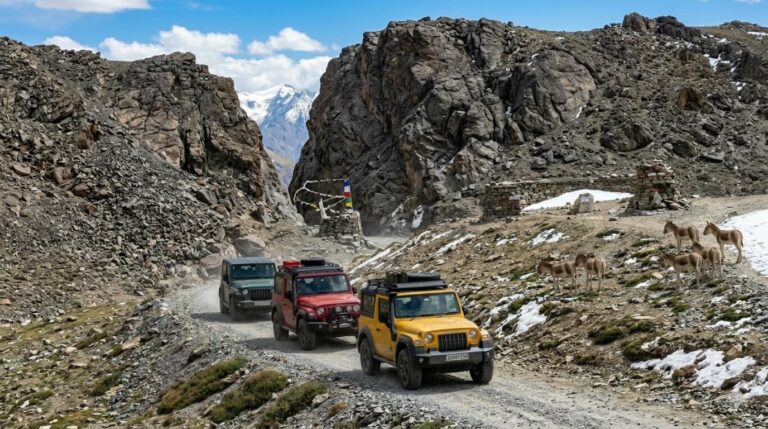



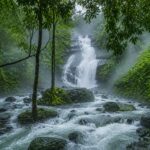
[…] Make your Munnar trip Easier with our guide – Explore Munnar – Stay, Budget & travel Guide […]
Very informative and useful interesting description.Super
[…] What was once a lesser-known rural stretch is now being discussed as a scenic monsoon escape for those looking to experience Kerala’s backwaters in a quieter and more natural way.Explore more Kerala monsoon destinations.- Best Places to Visit in South India in June for Cool Weather and Monsoon Travel […]
[…] To know the best places to visit in South India to enjoy the monsoon rains and cool weather, you can read our Best Places to Visit in South India in June guide. […]
[…] to book their local trips. [If you love rainy getaways, make sure to read our curated list of the best places to visit in South India in Mansoon for cool weather and monsoon travel.]Here are 4 wild reasons why you should experience these pre-events […]