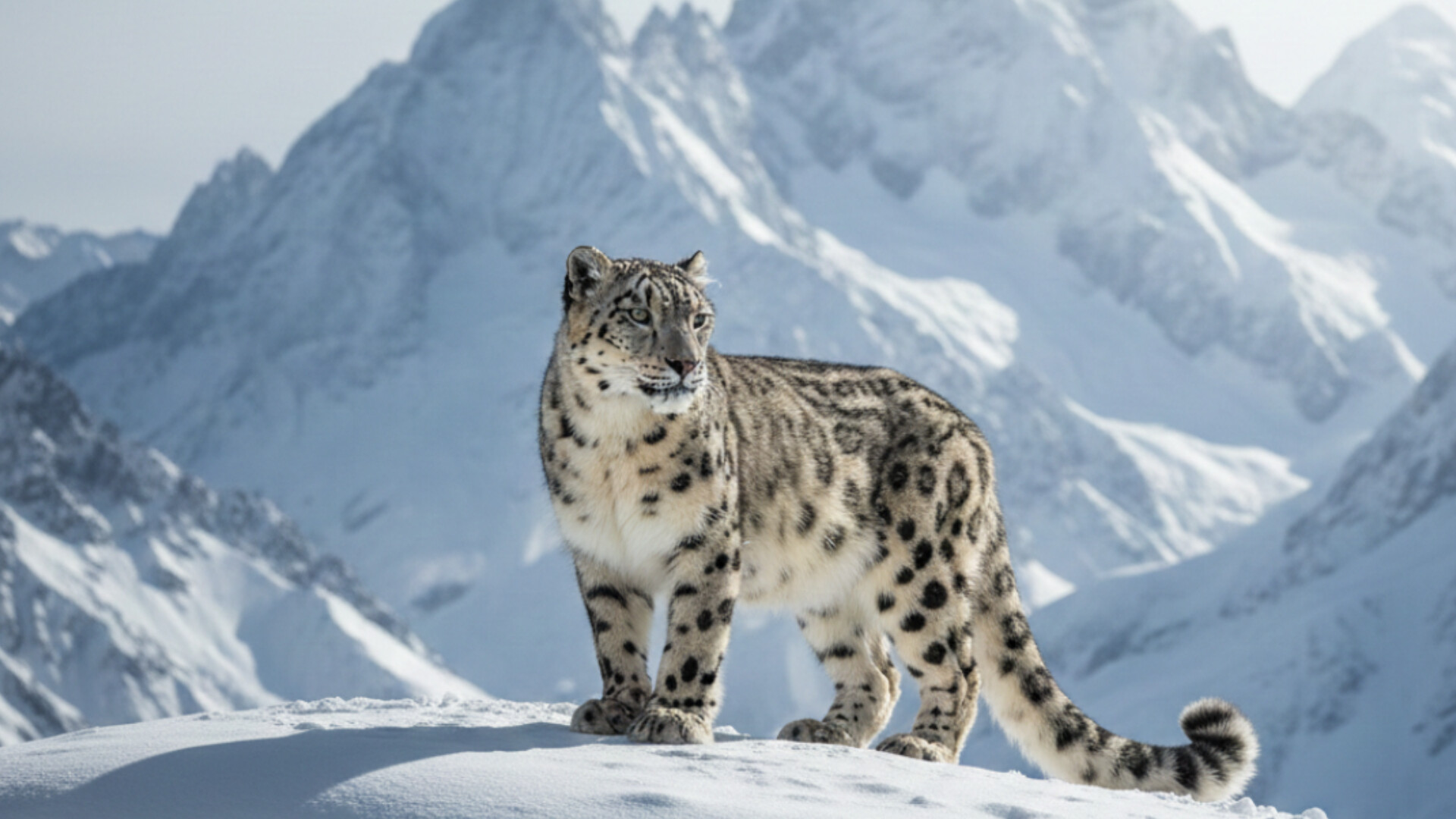

High in the frozen Himalayas, a silent predator roaming the jagged peaks. People call this cat the “Ghost of the Mountains.” For years, spotting one was nearly impossible for most travelers. This elusive creature blends perfectly with the grey rocks and white snow. It represents the mystery of the high-altitude wilderness.
Now, the landscape of Indian travel is changing rapidly. The state government recently announced a dedicated Snow Leopard Tour in Uttarakhand. This move signals a bold shift in Indian wildlife travel. It moves away from the traditional jungle safaris of the plains. Instead, it invites travelers to the roof of the world.
This initiative blends high-altitude adventure with vital conservation goals. It aims to protect the fragile Himalayan ecosystem for future generations. It also creates new opportunities for responsible winter tourism in remote areas.
What is the Snow Leopard Tour In Uttarakhand?
The snow leopard is a large cat native to the mountain ranges of Central and South Asia. It is uniquely adapted to survive in some of the harshest environments on Earth. Its thick, smoky-grey fur and long, bushy tail help it maintain balance on steep cliffs. Unlike other big cats, snow leopards cannot roar. They are solitary creatures that roam vast territories in search of prey.
Unfortunately, this magnificent predator is currently classified as an vulnerable and endangered species. Only a few thousand remain in the wild today. They face constant threats from habitat loss and the rising impacts of climate change. Illegal poaching and conflicts with local herders also put their survival at risk. Protecting them is no longer just a choice; it is a global necessity.
India’s wildlife conservation efforts also include the Cheetah reintroduction project at Kuno National Park marking a historic milestone in big cat restoration.
Snow Leopard Tour in Uttarakhand: New Winter Wildlife Experience.
Tracking this elusive big cat requires immense patience and physical resilience. You must venture into remote, high-altitude zones above the tree line. The weather in these regions is often extreme and unpredictable. Temperatures can drop far below freezing during the winter months.
The Snow Leopard Tour in Uttarakhand focuses on low-impact travel. Authorities want to avoid the pitfalls of overcrowded mass tourism. Instead, they prioritize ecological protection and local community involvement. This ensures that the cats are not disturbed by human presence.
The program will begin as a carefully managed pilot project. It targets eco-tourists, researchers, and professional wildlife photographers. These travelers value the experience of the hunt over a guaranteed sighting. This strategy places the snow leopard at the heart of sustainable travel.
Gangotri National Park as a Snow Leopard Habitat.
The tour will launch specifically in Gangotri National Park. This park sits within the rugged and beautiful Uttarkashi district. It is famous for its towering glaciers and pristine alpine meadows. The park serves as a vital corridor for many endangered species.
Winter usually sees very few tourists in this high-altitude region. Most mountain passes are blocked by heavy, white snow. The Snow Leopard Tour in Uttarakhand will change this seasonal trend. It turns the harsh winter months into a premium travel window.
Uttarakhand now joins Ladakh and Himachal Pradesh on the global wildlife map. This move helps to spread the tourist load more evenly. It highlights the raw, untouched beauty of the Western Himalayas. Travelers can now experience the silence of the mountains in winter.
Why Snow Lepard Conservation in the Himalayas Matters.
India is home to roughly 718 snow leopards across its northern borders. Most live in Ladakh, but the population in Uttarakhand is significant. Protecting these cats is essential for the entire mountain ecosystem. They are “apex predators” that keep nature in perfect balance.
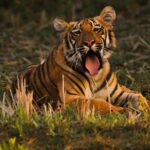
This is similar to how tigers protect the lowland forests. While the Snow Leopard rules the peaks, the Bengal Tiger thrives in the foothills. To see this in action, read about Valmiki Tiger Reserve: Where the Forest Breathes and Tigers Whisper. Both species are vital to India’s wild heritage.
The Snow Leopard Tour in Uttarakhand serves several main purposes:
- It generates direct revenue for local conservation projects.
- It provides much-needed jobs for remote mountain communities.
- It builds global awareness for this endangered species.
- It promotes a model of ethical, small-group travel.
When local people benefit from tourism, they protect the wildlife. This “community-first” approach has already worked well in Hemis National Park. Now, Uttarakhand is ready to follow that successful conservation.
Wildlife Photography Opprtunities in the Himalayas
For photographers, the snow leopard is the ultimate prize in India. Capturing an image of this cat requires specialized gear and great skill. The bright snow can easily trick a camera’s light meter. Photographers must also deal with batteries that drain quickly in the cold.
The Snow Leopard Tour in Uttarakhand provides a unique backdrop for artists. The cliffs of Gangotri offer dramatic lighting and deep shadows. Guides help photographers find the best vantage points without alerting the cats. Success in this environment feels like a true achievement.
Ethical photography is a core part of this new tour. Guides ensure that people maintain a safe and respectful distance. No flash photography is allowed, as it could startle the animals. This ensures the cats remain wild and undisturbed in their home.Wildlife photography in India is not limited to the Himalayas. In central India, Lohara Jungle Safari Gate at Tadoba-Andhari Tiger Reserve offers one of the best opportunities to capture wild Bengal tigers in their natural habitat.
How to Plan a Trip to Uttarkashi and Upper Himalayas.
Reaching Gangotri National Park requires careful planning and official permits. The journey offers some of India’s most breathtaking mountain views. You will pass through deep valleys and ancient cedar forests. How to Reach the Park.
- By Air: Fly to Jolly Grant Airport in Dehradun first.
- By Rail: The nearest station is located in the holy city of Rishikesh.
- By Road: Taxis run from Rishikesh to Uttarkashi and then Harsil.
Please remember that heavy snow can close mountain roads suddenly. Always check local weather reports before you begin your journey. Proper winter clothing and thermal layers are absolutely essential for survival.
Future of Wildlife Tourism in India.
The Snow Leopard Tour in Uttarakhand represents a new era of travel. It moves beyond simple sightseeing toward deeply meaningful wildlife encounters. This is about witnessing a species that survives in impossible conditions.
The “Ghost of the Mountains” is no longer just a myth. It is now a symbol of sustainable growth for the Himalayas. This tour proves that conservation and tourism can thrive together. It protects the cat while empowering the people who live nearby.
As interest in rare wildlife grows, Uttarakhand is bu ready to lead. The silence of the peaks is waiting for the patient traveler. Come discover the magic of the high Himalayas this winter
India has many rich wildlife destinations, including Eravikulam National Park reopening with new attractions.